Yes, Your Small Bedroom Can Look Bigger — Here’s How
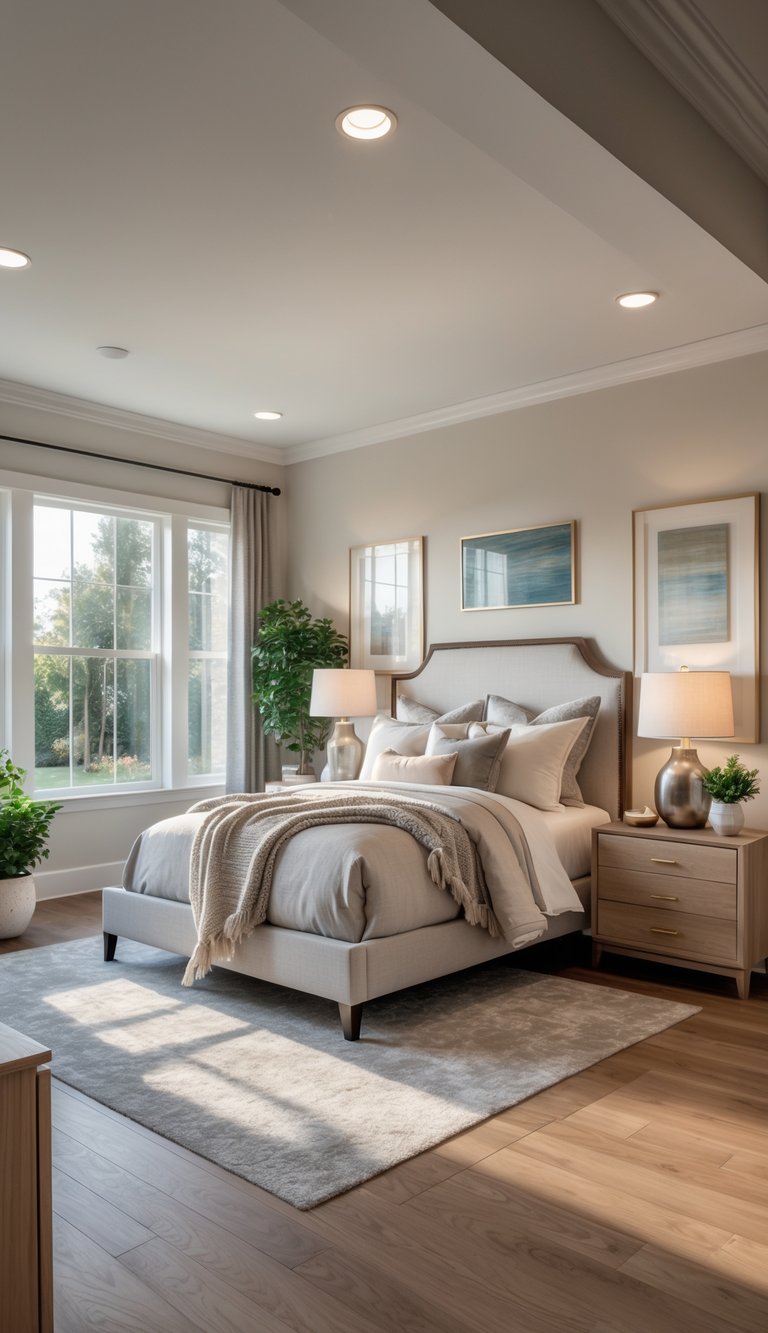
You can make a small bedroom feel noticeably larger with a few smart choices in color, furniture, and light. Use cool, light paint to make walls recede, pick low-profile or leggy furniture to show more floor, and add mirrors or shiny surfaces to bounce light and extend sightlines.
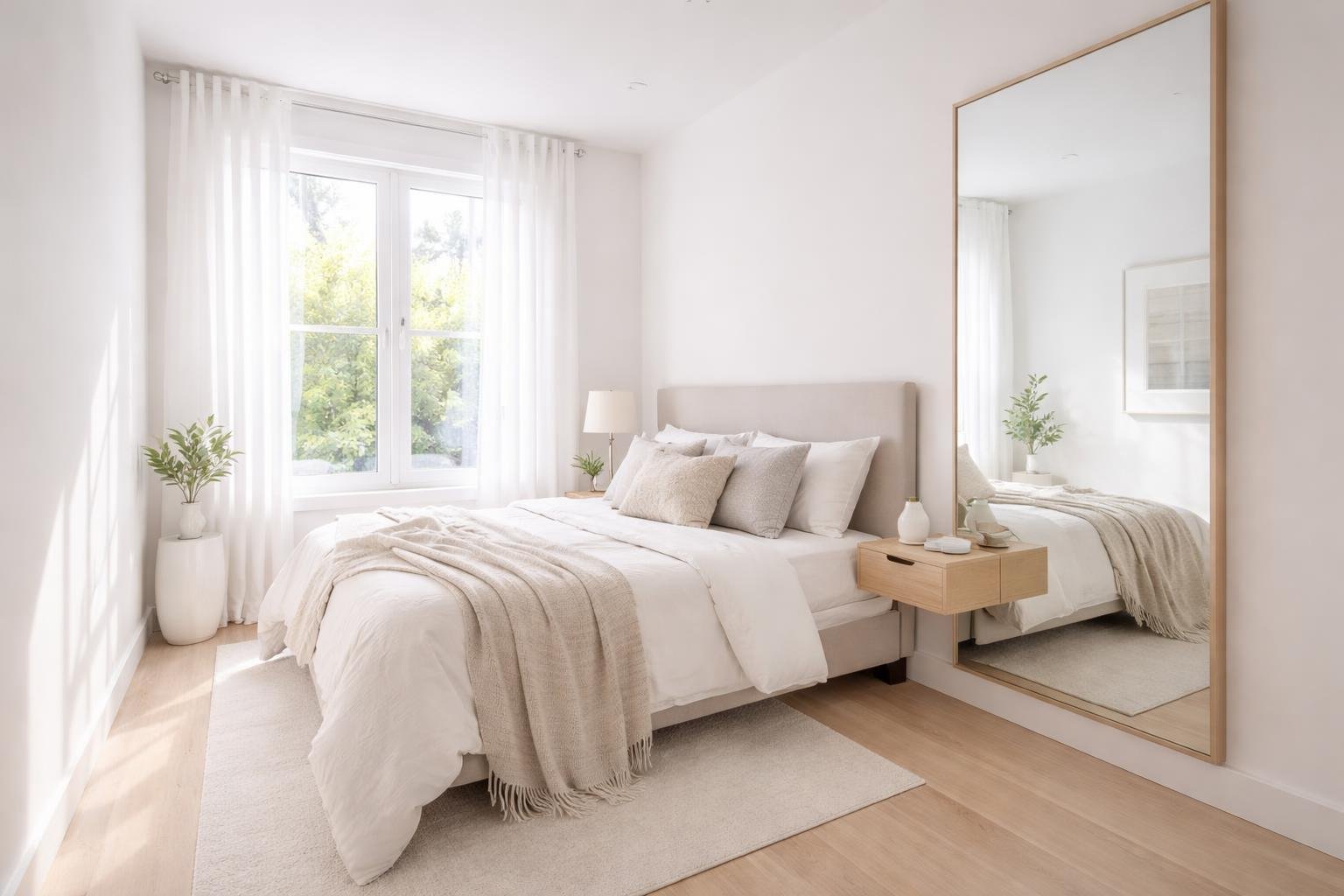
Use bold storage and vertical design to free up floor space and draw the eye upward, making your room feel airy instead of crowded.
Light paint, reflective surfaces, and furniture that shows the floor will give your small bedroom a bigger, calmer look—no remodel required.
Foundational Color Strategies to Expand Space
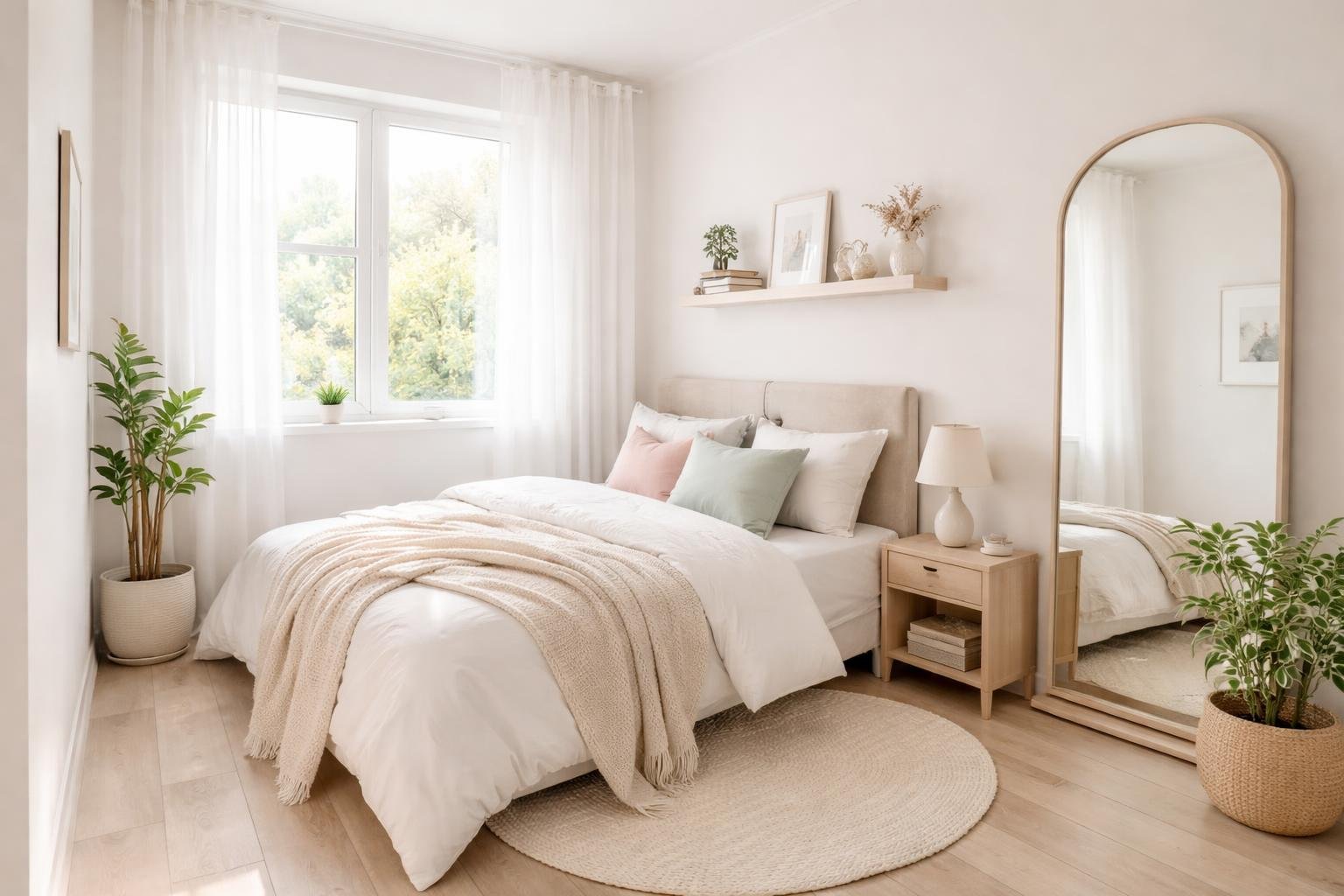
Use paint and color placement to boost light, add depth, and blur boundaries. Stick to light neutrals, keep the palette consistent across walls and trim, and try bold color-drenching only if you want depth instead of contrast.
Choosing Light and Neutral Paint Colors
Pick a pale base like warm white, soft gray, greige, or a very light pastel to reflect light and make the room feel airier. Test samples on the largest wall and check them at different times of day to see how natural light changes the color.
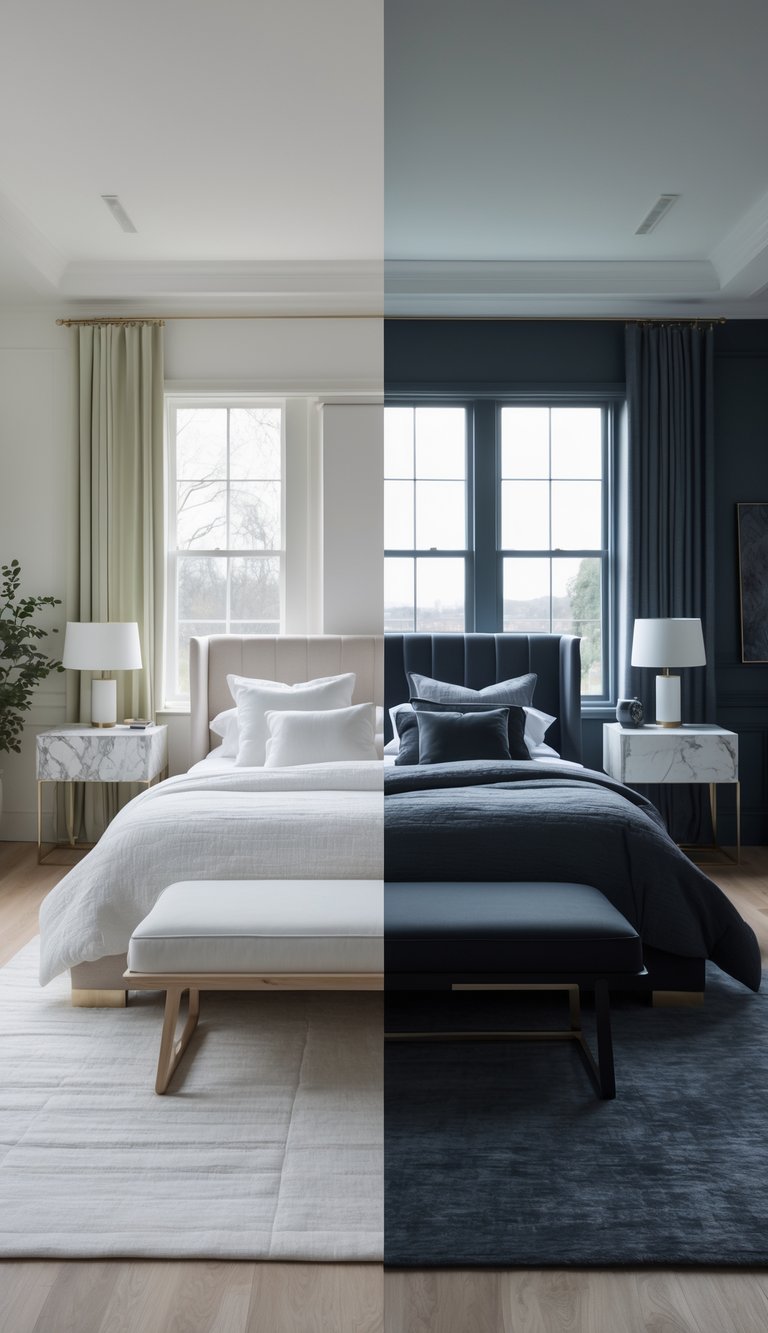
Go for cool light colors (soft blue or pale green) if your windows face north. Choose warm neutrals (creamy beige or warm white) for south-facing rooms to avoid a washed-out look. Light-reflective finishes like satin or eggshell add a soft sheen but don’t highlight flaws.
Key steps:
- Paint a 3×3 ft swatch on each wall.
- Check the color in morning and evening light for 48 hours.
- Match bedding and curtains within two tones of the wall color.
Maintaining a Consistent Palette
Keep walls, trim, and ceiling in the same color family or the same color to create visual flow. When trim and ceiling match the walls, the eye doesn’t stop at edges, which helps avoid a boxed-in feeling.
Limit accent colors to one or two spots: a rug, throw, or small artwork. Repeat the same color in textiles and accessories to tie the space together. Use vertical repeats—curtains that match a pillow color—to draw the eye up and emphasize height.
Quick checklist:
- Use one main wall color plus one accent color.
- Paint the ceiling one shade lighter than the walls or the same as the walls.
- Go matte for walls, satin for trim.
Color-Drenching Techniques
Color-drenching means painting walls, ceiling, and trim the same deep color to create a cozy, cocooned vibe. Try this only if you want depth and mood, not a brighter look.
Balance a dark color-drenched room with high-contrast reflective pieces: a big mirror, light bedding, or metallic hardware. Use low-profile furniture in similar tones to keep the look seamless. Add focused lighting—wall sconces or a pendant—so the space doesn’t feel heavy.
When to try it:
- You have plenty of natural or strong artificial light.
- You want a dramatic, cozy look with minimal visual clutter.
- Your furniture and textiles stick to two matching tones.
Harnessing Mirrors and Reflective Surfaces
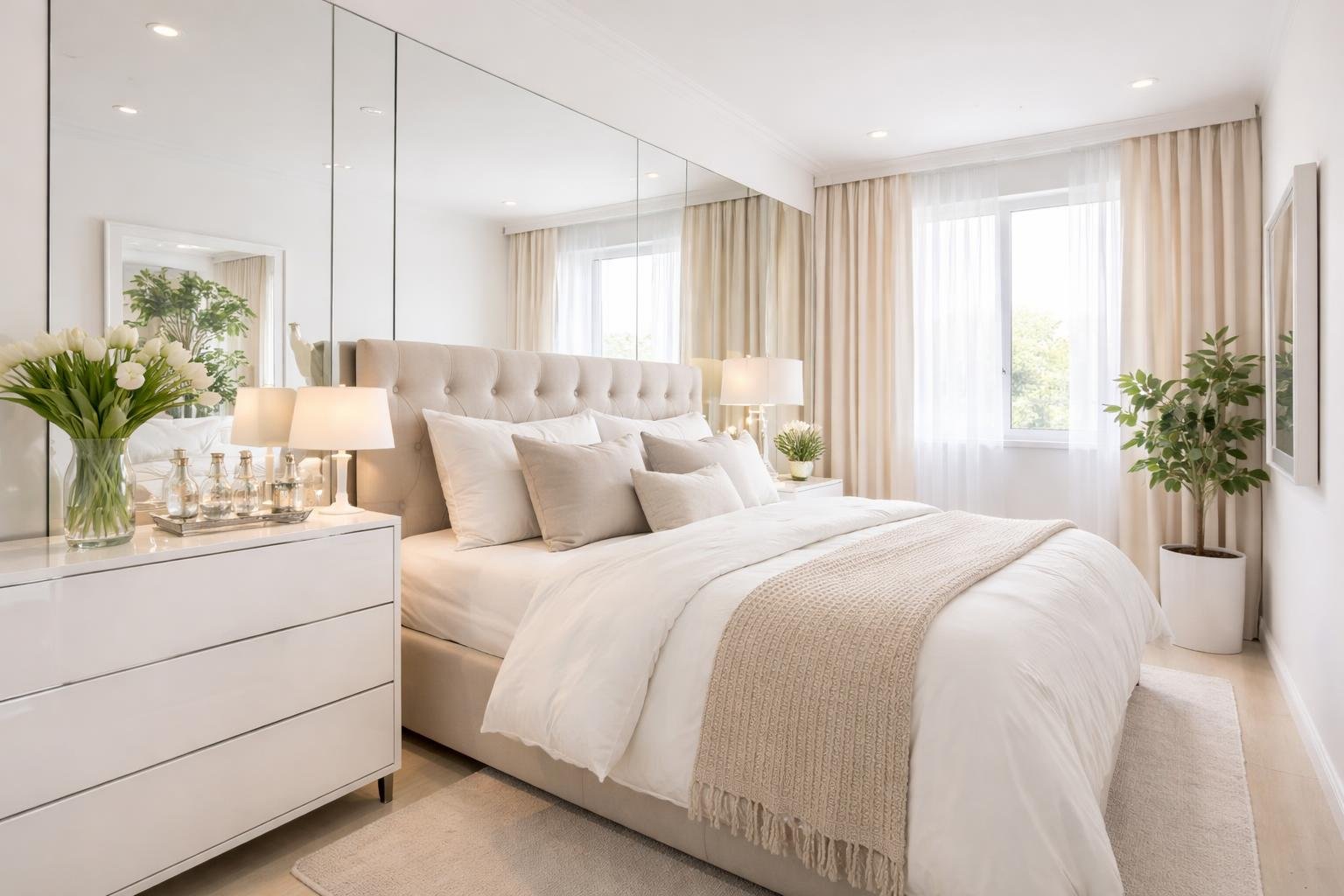
Mirrors bounce light and add depth where space is tight. Place mirrors to catch natural light, use mirrored closet doors for a big impact, and pick shapes and sizes that balance the room.
Optimal Mirror Placement
Put a large mirror opposite or next to a window to double daylight and extend the view. If that’s not possible, angle a mirror to reflect the brightest corner or a neat focal point like a plant or art.
Mount a full-length mirror on the wall along the bed to make the room feel longer. Keep it a few inches off the floor for a lighter look. Place a small mirror above a nightstand to bounce lamp light and cut down on extra fixtures.
Avoid aiming mirrors at clutter, doors that open into tight spots, or busy electronics. One big mirror usually works better than several small ones.
Mirrored Closet Doors
Swap plain closet doors for mirrored panels to create a wall-length mirror that doesn’t eat up floor space. Sliding mirrored doors are best for tight rooms because they don’t need swing space.
Pick floor-to-ceiling mirrors for the biggest effect—they make ceilings feel higher and double the wall visually. If you’re worried about durability, go for tempered glass or mirror-backed doors with a slim metal frame.
Keep the closet area tidy before adding mirrors. Mirrored doors reflect whatever’s nearby, so neat storage and coordinated bedding help the room look bigger.
Selecting Mirror Shapes and Sizes
Pick a mirror size that fits the wall. A mirror covering at least half the wall above a dresser or bed adds depth without taking over. For really small rooms, vertical mirrors boost height; horizontal mirrors make the space feel wider.
Round or arched mirrors soften lines and work well above nightstands or dressers. Rectangular and square mirrors give a modern look and pair well with geometric bedding. For a casual vibe, lean a tall mirror against the wall so you can move it easily.
Go for slim frames or frameless mirrors to keep reflections open. Heavy, ornate frames can weigh down a small bedroom, so use them sparingly or just as an accent.
Furniture Selection and Placement for Openness
Pick pieces that keep sightlines open and let the floor breathe. Go for furniture with visible legs, low profiles, and items that pull double duty to maximize space and cut clutter.
Choosing Furniture with Legs
Leggy furniture makes the floor look bigger by letting you see underneath. Look for sofas, dressers, and nightstands with legs that lift them off the ground. Aim for 4–6 inches of clearance if you can; even a small gap makes a big difference.
Metal or slim wooden legs keep things light. Match leg height across a few pieces to create rhythm. Place bigger items against walls and keep a clear walking path of at least 24 inches where you need to move most.
Low-Slung and Platform Beds
A low-slung or platform bed cuts down on vertical clutter and keeps sightlines smooth. Choose a platform bed with short legs or a slim frame so the mattress sits close to the floor but doesn’t hide the floor beneath. This helps the room feel wider and less top-heavy.
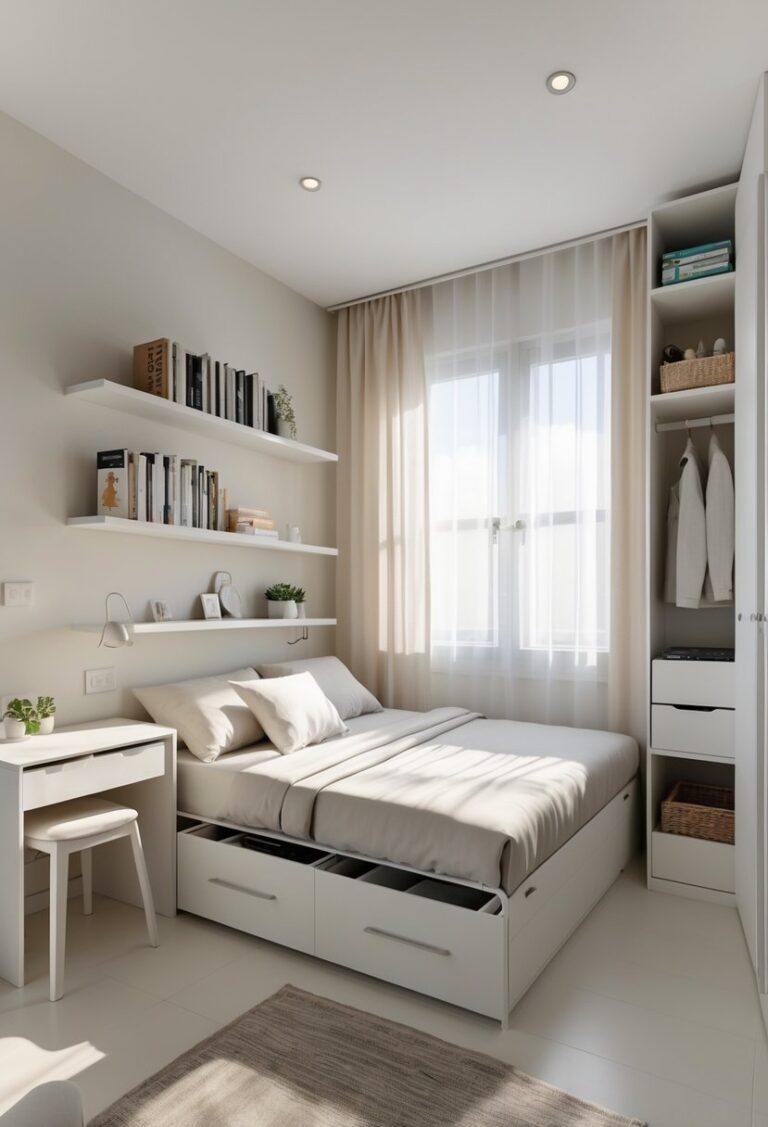
If you need storage, pick a platform storage bed with shallow drawers under the frame instead of a tall base. Position the bed so you can walk around at least one side easily. Skip high headboards; a low or wall-mounted headboard keeps the eye moving across the room.
Using See-Through and Multifunctional Pieces
See-through furniture, like acrylic chairs or glass tables, keeps things light and lets light pass through. Use an acrylic desk or glass-top nightstand near a window to keep the area airy. Transparent pieces balance out heavier items.
Multifunctional furniture saves space. Go for a storage bed, a bench with storage inside, or a nightstand with drawers. Wall-mounted shelves and fold-down desks free up floor area. Stick to simple shapes and slim profiles to avoid adding bulk.
Maximizing Vertical Space and Height
Use tall elements to open up the room and make ceilings feel higher. Try a few vertical tricks—curtains mounted high, narrow shelving, and a tall headboard—to draw the eye up and free up floor space.
Installing Floor-to-Ceiling and High Curtains
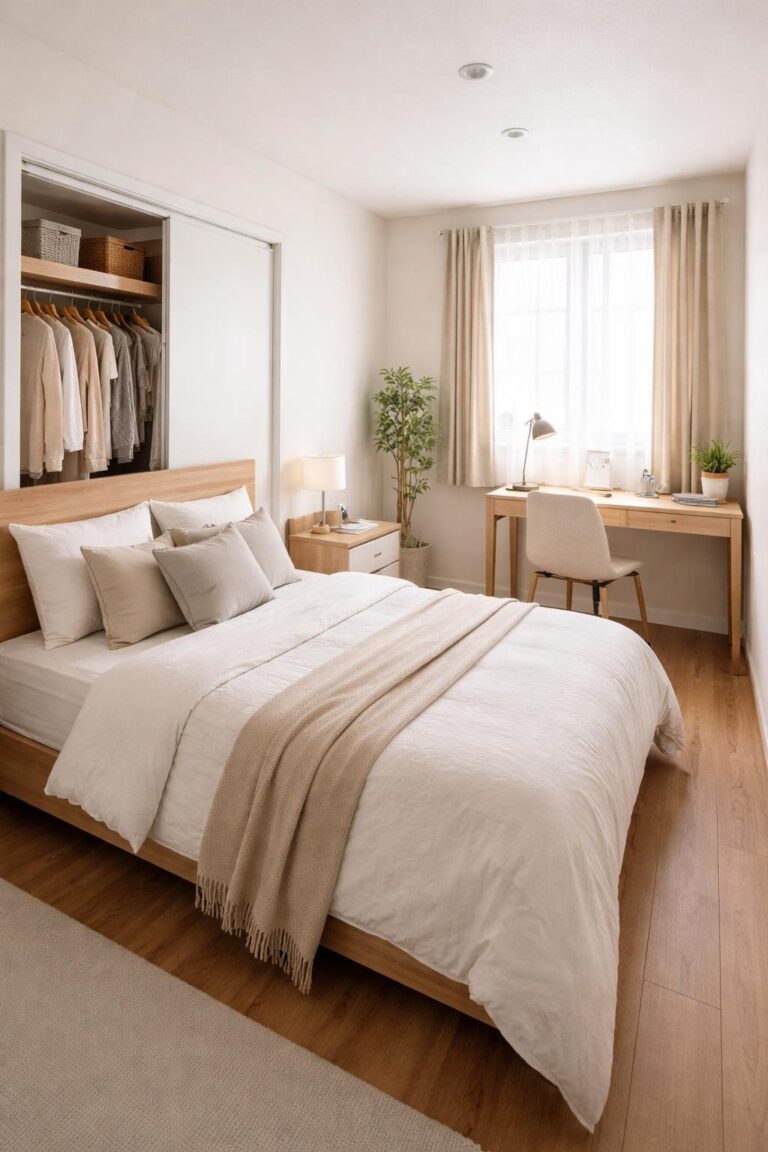
Mount curtain rods or tracks 4–6 inches below the ceiling or right up to crown molding to make ceilings look taller. Choose curtains that just skim the floor; skip puddling fabric, which shortens the room. Sheer or light-filtering curtains keep windows bright and draw the eye up.
Use slim hardware and hang curtains wider than the window by 6–12 inches on each side. This shows more glass when open and makes the window feel bigger. For low windows, use one long panel instead of several short ones for a clean vertical line.
Adding Vertical Storage Solutions
Swap wide, bulky units for tall, narrow pieces that use the same footprint but add storage upward. Think tall bookshelves, a painted floor-to-ceiling cabinet, or stacked wall-mounted boxes. Measure wall height and leave 6–12 inches at the top for breathing room; full-height built-ins can feel heavy unless you lighten them up with open shelves.
Add floating shelves to keep the floor clear. Arrange shelves in groups that step upward to lead the eye. Use muted or tone-on-tone finishes so the storage blends with the wall and doesn’t look cluttered.
Drawing the Eye Upward with Tall Headboards
Pick a tall headboard that reaches at least halfway to the ceiling or goes all the way up in slim proportions to lift the eye. Upholstered vertical panels or a narrow wooden slat headboard both work—just keep the pattern simple. Keep bedside furniture low and leggy so the headboard stands out as the vertical feature.
Mount artwork or a slim shelf above the headboard to keep the eye moving up. Use matching wall color between headboard and wall to create a seamless look, making the ceiling feel higher and the room more unified.
Smart Storage and Decluttering Approaches
Clear visual space and smart storage make a small bedroom feel bigger. Prioritize built-in or wall-mounted storage, keep floors clear, and pick furniture that doubles as storage to keep things tucked away.
Built-In Storage Ideas
Built-in storage saves floor space and gives your room a clean, seamless look that makes it feel bigger. Install floor-to-ceiling wardrobes or closets along one wall to use vertical space. Add adjustable shelves and a mix of hanging rods at different heights so you can easily store shirts, coats, and folded clothes.
Try recessed cabinets or a built-in bench with lift-up storage in a window nook or at the foot of the bed. Paint built-ins the same color as the walls to keep things looking smooth. Add narrow drawers for socks and accessories, and use labeled bins on higher shelves for seasonal stuff you don’t need as often.
Floating Shelves and Nightstands
Floating shelves keep the floor open and make the room feel less crowded. Mount a pair of narrow shelves beside the bed for a lamp, your phone, and a couple of books. Shallow shelves (8–10 inches deep) work best so they don’t stick out too much.
Swap bulky nightstands for wall-mounted shelves or slim floating nightstands with a drawer. These hold your nightly essentials and make cleaning easier, while letting more light and air flow through the space. Use matching shelf hardware and keep bedside items to just two or three for a tidy vibe.
Utilizing Underbed and Multifunctional Storage
Underbed storage is perfect for hiding bulky items. Use wheeled drawers or flat zip bins for off-season clothes, extra bedding, or shoes. If you need to grab things often, pick an open-slatted frame or a storage bed with built-in drawers for easy access.
Pick multifunctional furniture to cut down on the number of pieces in the room. Go for a storage bed, a bench with hidden compartments, or a desk that folds into a wall unit. Choose pieces with hidden storage and stick to uniform colors to keep the room looking simple and uncluttered.
Textiles, Patterns, and Lighting for Space Illusion
Use patterns, fabric size, and layered lighting to guide the eye and open up the room. Pick textiles that make the room feel longer or taller, skip small busy prints, and place lights to add depth instead of shadows that block the view.
Emphasizing Vertical Stripes and Striped Wallpaper
Vertical stripes make walls look taller and draw the eye upward. Pick a stripe width that fits your space: narrow stripes add subtle height, while wide stripes make a bold statement. Keep the contrast moderate—high-contrast black-and-white stripes can make a space feel tighter, while soft neutrals or two-tone whites feel lighter and more open.
Put striped wallpaper behind the bed or on the main wall you see when you walk in. Line up stripes with windows or door frames to keep things looking smooth. If you like fabric, hang striped curtains high and wide so the lines run from ceiling to floor without interruption.
Stick to one main stripe direction. If you use vertical stripes on the walls, balance them with horizontal lines on the floor or rug so the room feels grounded, not like a tunnel.
Layered Lighting Techniques for Depth
Layer your lighting in three ways: ambient, task, and accent. Start with a ceiling light for general brightness. Add wall-mounted reading lamps or adjustable sconces to save space on your nightstand. Use warm bulbs (around 2700–3000K) for a cozy feel and natural skin tones.
Highlight vertical features or artwork with accent lights to create depth. Try a small uplight behind the headboard or an LED strip above a shelf to draw the eye toward the back wall. Dimmers help you adjust the mood; lowering the main lights but keeping accent lights on makes the room feel deeper.
Avoid just one harsh overhead light. Aim for soft pools of light at different heights to make corners fade away and surfaces stand out.
Using Large Area Rugs
A large rug pulls the floor together and makes the bed area feel bigger. Choose a rug that extends at least 18–24 inches beyond the bed so some furniture sits on it. This creates a seamless look that tricks the eye into seeing a larger space.
Pick low-contrast, light-colored rugs with subtle texture or a big, simple pattern. Avoid small, busy prints that break up the floor and make the room feel crowded. If you want a pattern, choose one with horizontal lines or a soft geometric design to guide the eye across the room.
Keep the rug edges parallel to the longest wall when you can. This helps the room feel wider or longer, depending on how you place it.
Frequently Asked Questions
Here are practical tips you can try right away: color choices, furniture layouts, mirrors, decor for one person, lighting, and ways to add visual depth. Each answer gives you clear steps you can tackle in a weekend or with a few small purchases.
What paint colors can make a small bedroom appear larger?
Go for light, low-contrast colors like soft whites, pale grays, or warm beiges. These shades let your eyes move smoothly across the walls, making the room feel more open.
Paint trim and the ceiling a shade lighter than the walls, or keep the ceiling the same light color as the walls to make it feel higher.
If you want color, use one main hue in different tones instead of mixing lots of contrasting colors. A dark accent wall works well behind the bed if the rest of the room stays light.
What furniture arrangements are recommended to maximize space in a small bedroom?
Put the bed against the longest wall to free up walking space. Leave at least 24–30 inches of clear path where you walk.
Pick furniture with legs or open bases, like a low platform bed or slim nightstands. Showing more floor makes the room feel less packed.
Use built-in or wall-mounted storage when you can. Floating shelves, wall hooks, and a mounted desk open up the floor and cut down on clutter.
Can the strategic placement of mirrors help to enlarge the perceived size of a small room?
Definitely. Place a large mirror across from or near a window to bounce light and views around the room. This instantly makes the space feel deeper.
Hang mirrors vertically to make the room look taller. Leaning a tall mirror against a wall works too and doesn’t need much installation.
Stick to one or two big mirrors instead of a bunch of small ones. Larger mirrors give a cleaner, more open effect.
What are simple decorating tips for making a single-occupancy small room feel more spacious?
Choose furniture that fits one person: a full or queen bed instead of a king, and a narrow dresser or tall shelves. This keeps everything in scale with the room.
Use a few large decor items instead of lots of small ones. One big piece of art or a statement rug looks intentional and keeps things from feeling cluttered.
Keep surfaces clear and pick multipurpose pieces like a bedside shelf that doubles as a desk. This cuts down on furniture and makes the space feel lighter.
How can lighting be used to create a sense of openness in a cramped bedroom?
Layer your lighting: use a ceiling light for general brightness, task lamps by the bed, and a wall sconce or two for accents. Multiple sources soften shadows and open up corners.
Stick to soft white bulbs (2700–3000K) and aim for even light all around. Place lights near walls and in corners to visually push the walls outward.
Add dimmers so you can control the brightness. Lowering the lights in the evening keeps things cozy without making the room feel smaller.
What are effective ways to create visual depth and make a small living room seem bigger?
Use rugs and smart furniture placement to define zones and guide the eye across the room. A rug under key furniture helps pull areas together and makes the space feel more organized.
Stick to colors and textures in the same tonal family so the eye moves easily across surfaces. Try large-scale art or a single dark wall paired with light surroundings to create a sense of distance.
Keep sightlines open by choosing low seating and see-through pieces, like a glass table. This lets you see more of the floor and instantly makes the room feel bigger.