Light vs Dark Bedrooms: Which One Is Better for Your Space?
You can get great sleep and a room you love with either a light or dark bedroom — it depends on your needs, room size, and how you use the space. Choose light colors if you want a bright, airy feel that makes small rooms look bigger and helps you feel calm in the daytime; choose dark colors if you want a cozy, sleep-friendly cocoon that helps your body wind down.
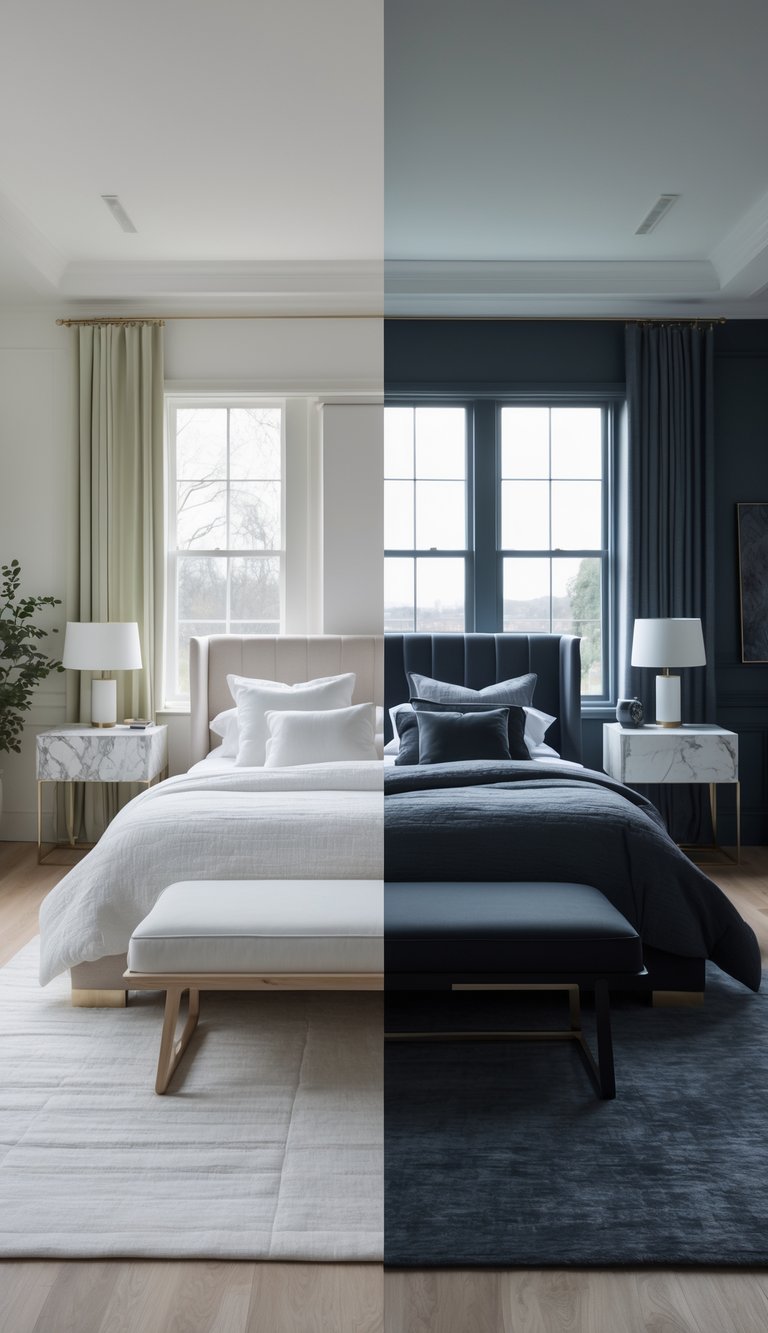
I’ll walk you through how color affects sleep, the key design differences, and practical tips for each approach — from paint and bedding to window treatments and lighting. Whether you want to make a sunlit sanctuary or a snug, restful retreat, I’ll help you pick the right direction for your space.
Light vs Dark Bedrooms: Core Differences
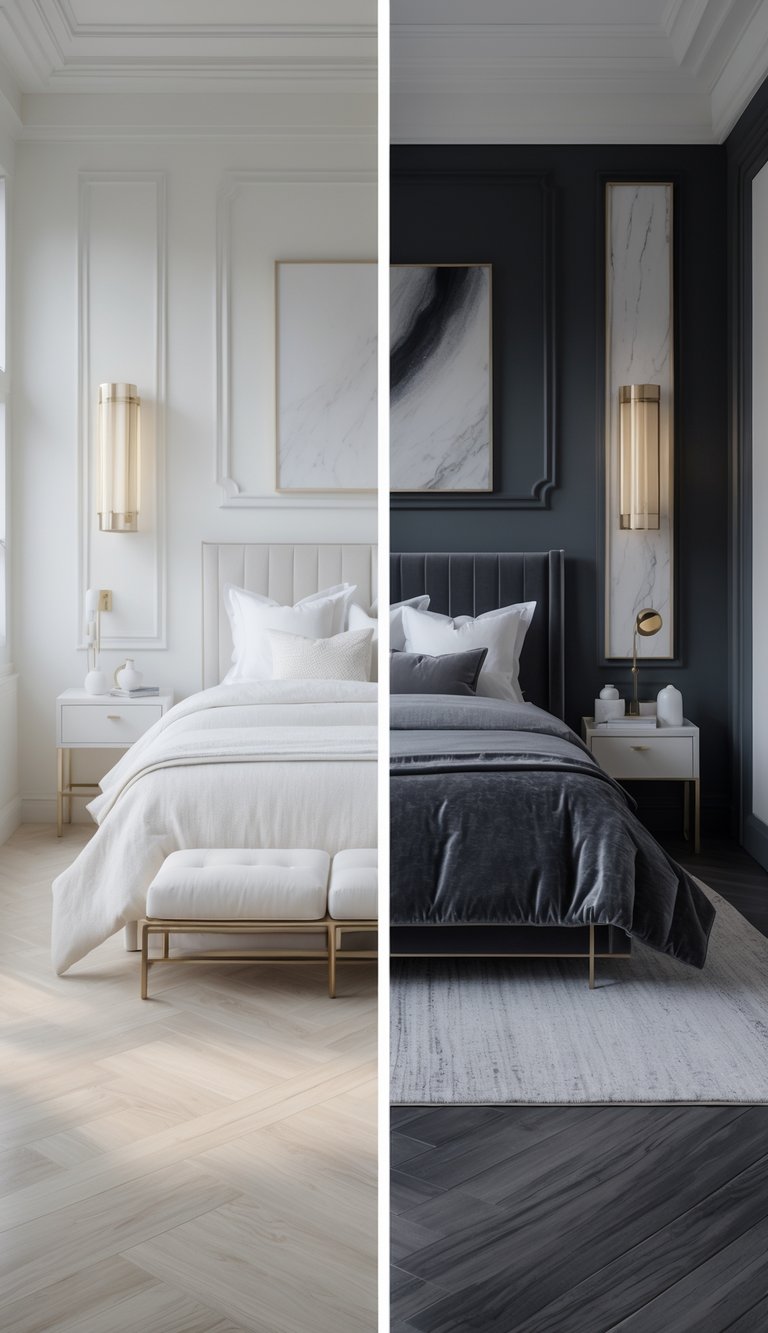
I compare how color choices change a room’s feeling, size, and light needs. I focus on practical effects you’ll notice day to day and what to plan for when choosing bedroom color.
Impact on Mood and Atmosphere
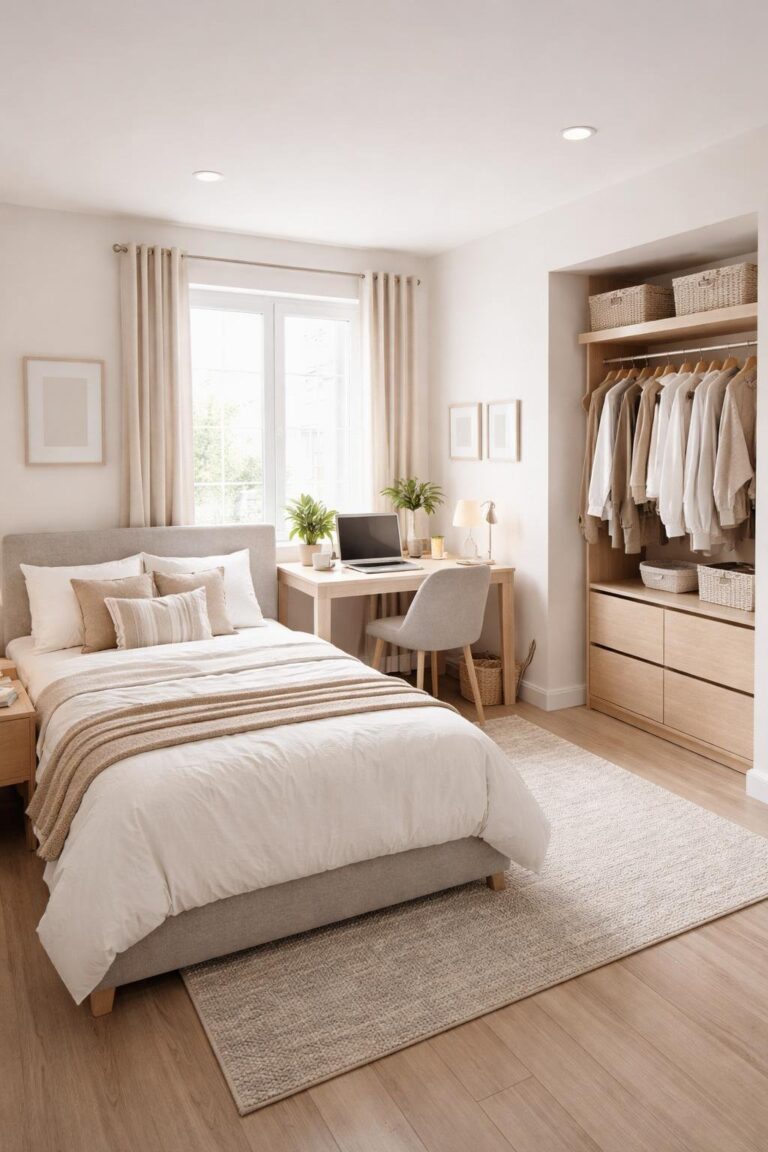
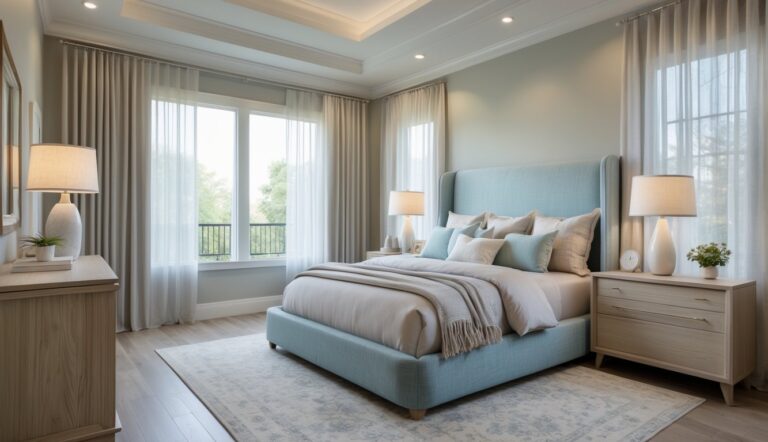
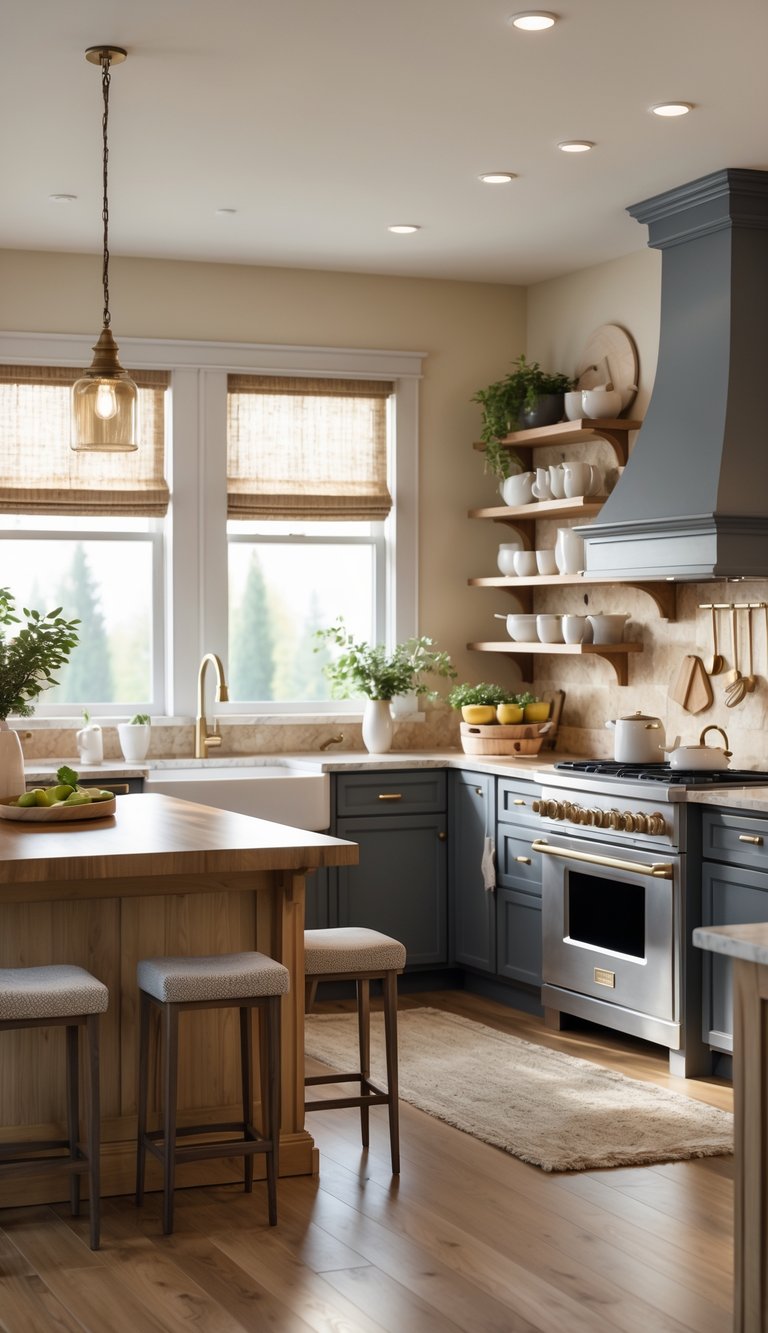
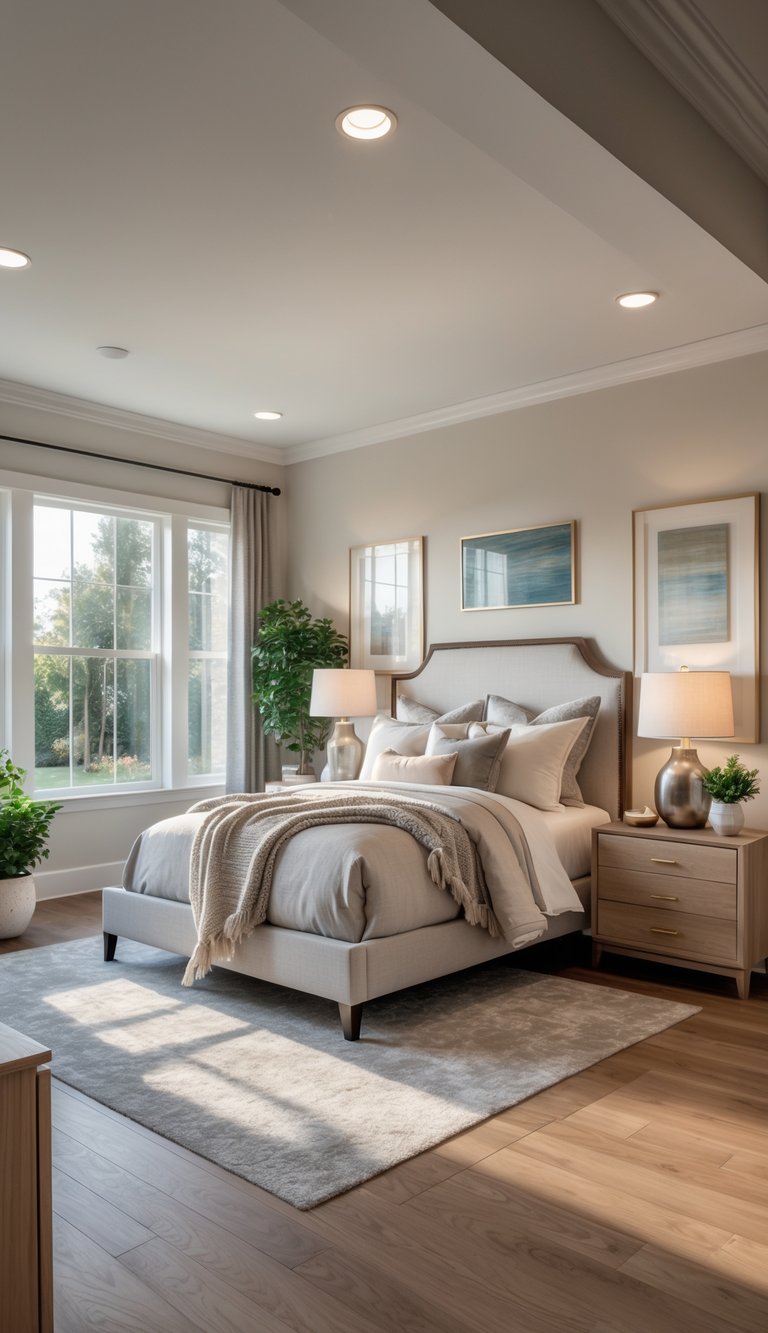
Light bedrooms often feel calm and open. I find pale blues, soft greys, and warm off-whites make a room feel restful and cleaner. These shades help me relax without closing the space in, which can aid sleep if you prefer a lighter, airy feel.
Dark bedrooms create a cozy, cocooned mood. Deep blues, charcoal, or rich greens lower the visual energy and feel intimate. I notice dark walls can make a room feel more private and sleep-friendly at night, but they can also feel heavy if the room lacks natural light.
Use accents to control mood. I add soft textiles, plants, or brass fixtures in light rooms to warm them. In dark rooms, I introduce mirrors, lighter bedding, or a single lighter wall to prevent gloom while keeping the cozy vibe.
Visual Effects on Space
Light colors visually expand a room. I choose light paint and pale furniture for small bedrooms because they reflect light and make ceilings feel higher. A checklist I use: light walls, minimal clutter, and low-profile furniture to maximize perceived space.
Dark colors shrink and add depth. I use dark paint to make a too-large bedroom feel intimate and to highlight architectural features. The trade-off: dark walls absorb light, so corners can vanish and details can get lost unless contrasted with lighter trim or décor.
Balance matters. I often mix a dark accent wall with light surrounding walls or use dark furniture against pale walls. This keeps the room from feeling boxed in while still giving the rich look people want from dark bedroom schemes.
Energy and Brightness Considerations
Light bedrooms need less artificial lighting during the day. I rely on windows and pale finishes to bounce daylight around, which reduces the need for bright overhead lamps. For evening, dimmable warm lights keep the space cozy without harsh glare.
Dark bedrooms require stronger, well-placed lighting. I add layered light: bedside lamps, overhead fixtures, and a task lamp for reading. I also use blackout curtains only if I want total darkness for sleep; otherwise, lighter window treatments keep the room from becoming too dim during the day.
Think about energy use and mood control. I pick LED bulbs with adjustable warmth for both styles. That way, I keep light bedrooms bright without overheating the space and make dark bedrooms usable at all hours without losing the intended atmosphere.
How Bedroom Color Affects Sleep Quality
I look at three main ways color changes sleep: how light cues set your internal clock, how light affects melatonin, and what sleep experts recommend for real rooms. Pick colors and window treatments that match your sleep habits and daylight in your room.
Circadian Rhythm and Sleep
My circadian rhythm reacts to light and dark cues in the room. Bright, cool-toned walls and large windows can make me feel more awake in the morning because they reflect daylight and increase perceived brightness. Darker walls absorb light and can help my brain register “night” earlier, which may make it easier to fall asleep.
If I work shifts or want to sleep late, I use blackout curtains or darker paint to block morning light. For morning people who want to wake up earlier, lighter walls help by boosting natural light. Match the room color to how your daily schedule uses daylight.
Melatonin Production
Melatonin is the hormone that helps me fall asleep. Bright blue-rich light in the evening suppresses melatonin and makes sleep harder. Even if paint color does not emit light, lighter rooms tend to feel brighter, which can encourage evening activity and delay melatonin release.
To protect melatonin, I reduce evening overhead lighting and use warm, dim lamps. I also avoid screens before bed and consider darker wall tones or heavy window coverings if evening streetlight or early sunrise is a problem. Small changes like warm bulbs and darker bedding can help melatonin climb at the right time.
Expert Insights from Sleep Specialists
Sleep experts say there is no one-size-fits-all answer to whether a bedroom should be light or dark. Many recommend cool, muted colors like soft blues and neutrals for relaxation, while others point out that darker hues help align the body clock with night-time cues.
I follow two practical tips experts repeat: use calming colors you like to lower stress, and add window treatments that block light when needed. Experts also advise using dark accents rather than very strong wall colors if you worry about a room feeling too gloomy or hard to navigate in low light.
Designing with Light Bedrooms
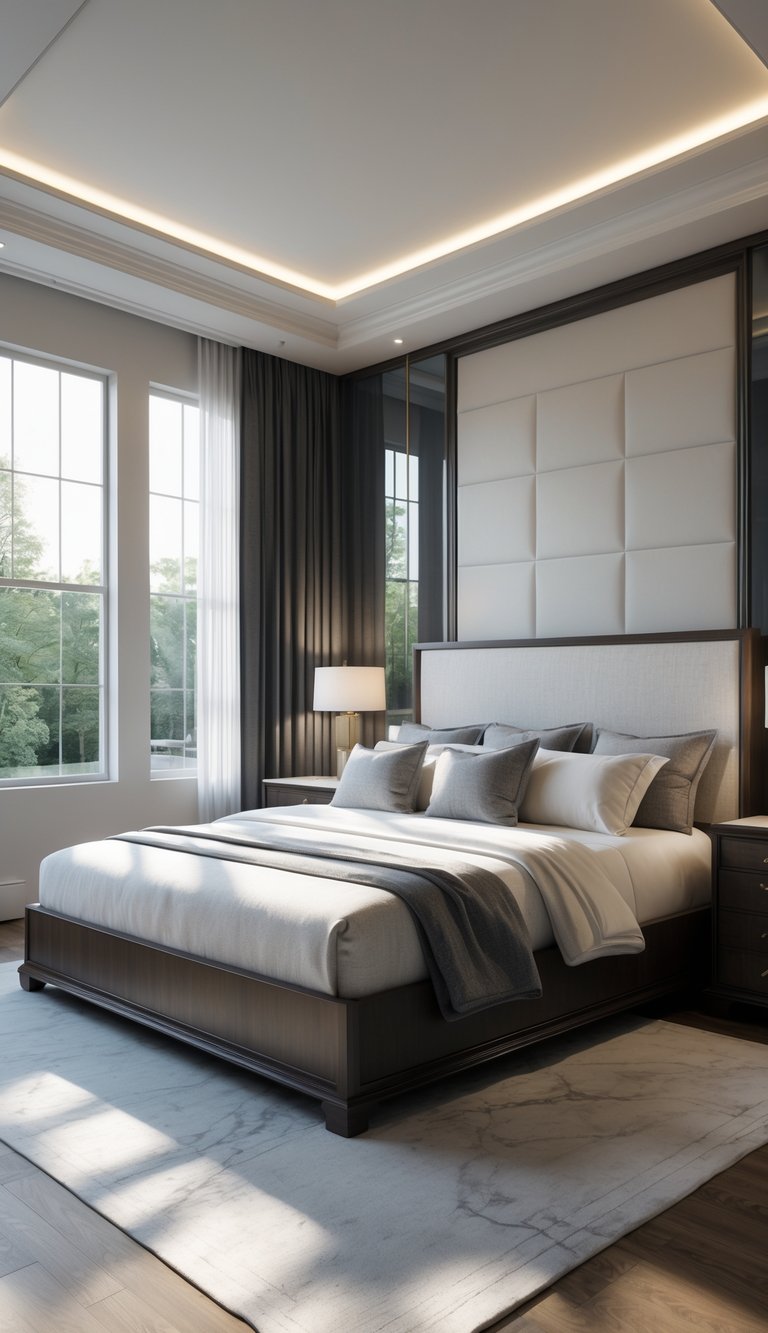
I like light bedrooms because they feel open and calm. Bright walls, plenty of daylight, and a few well-chosen accents make the room practical and restful.
Color Choices and Decor Ideas
I pick soft, warm whites and pale grays as my base. These colors reflect light and make the room feel larger. I often add muted greens or dusty blues for a gentle touch of color without overpowering the space.
For bedding, I choose natural fabrics in off-white or light beige. Textures matter: a woven throw or linen pillows add depth without heavy color. I avoid highly saturated or bright hues that can feel busy at night.
I keep furniture light wood or painted pieces in white or pale gray. Mirrors help bounce daylight around. I place a small rug with a subtle pattern under the bed to anchor the layout without breaking the airy feel.
Enhancing Natural Light
I open windows and use thin, sheer curtains during the day to let in sunlight. If privacy is needed, I layer with a lighter roller blind that still allows diffused light in.
I position the bed to face the window when possible, so morning light wakes me gently. I also place mirrors opposite windows to double the daylight. If the room has limited windows, I use LED bulbs with a warm daylight tone for balanced illumination.
Trimmed clutter helps light travel across surfaces. I keep tall furniture away from window frames and choose low-profile pieces to avoid blocking light paths.
Effective Use of Accent Pieces
I use accent pieces to add personality without darkening the room. A single deep-colored chair or a navy throw creates contrast while keeping the overall look light. I limit bold accents to one or two spots.
Artwork with pale backgrounds and small pops of color works well above the headboard. I use plants—like a rubber plant or snake plant—to add life and soft green tones that read as fresh against light walls.
For hardware and small decor, I pick matte black or brass for visual interest. These details stand out on light walls and add a modern touch without overwhelming the space.
Decorating a Cozy Dark Bedroom
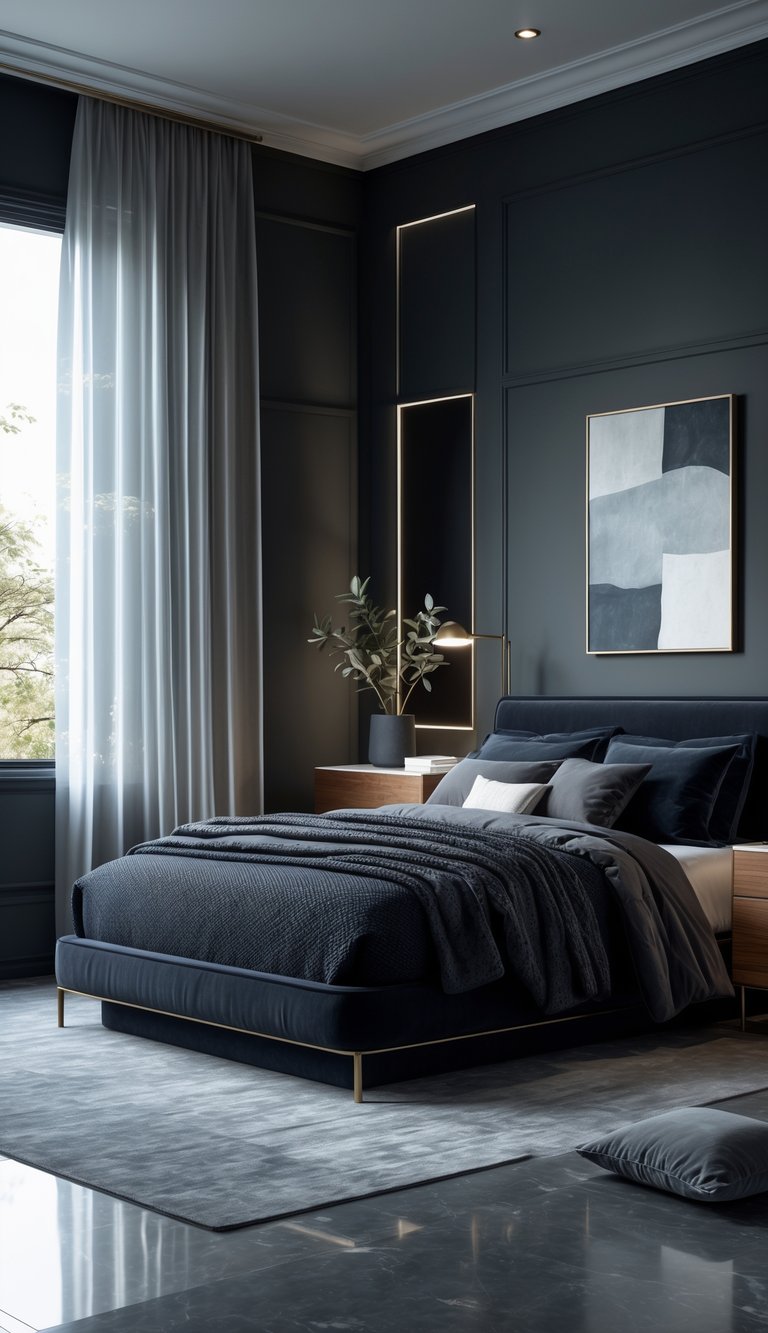
I like dark bedrooms because they feel private and calm. You can make the room feel warm, comfortable, and sleep-ready by choosing the right colors, textures, and lighting.
Creating an Intimate Atmosphere
I start by thinking about scale and touch. Place a low-profile bed with plush bedding near one wall to keep the room feeling grounded. Add a soft rug underfoot and velvet or knit throws to invite touch. Use fewer, larger decor items rather than many small pieces to avoid visual clutter.
I balance dark paint with warm accents like brass hardware, wooden nightstands, or terracotta pots. Mirrors with thin frames help reflect small amounts of light without breaking the moody feel. Keep window treatments heavy—blackout curtains or lined drapes—to make the room truly dark when I want to sleep.
Choosing Dark Walls and Furnishings
I pick paint with a low sheen—matte or eggshell—to hide imperfections and absorb light. Deep blues, charcoal grays, and forest greens work well because they read as rich instead of flat. If the room is small, I paint only one or two walls dark as an accent to avoid feeling boxed in.
For furniture, I mix dark woods and painted pieces with one lighter element, like a linen chair or pale bedhead, to add contrast. I keep bedding in muted tones—creams, soft browns, or dusty pinks—to soften the mood. Textures matter: woven baskets, tactile throws, and matte ceramics add depth without brightening the palette.
Incorporating Layered Lighting
I use three lighting layers: ambient, task, and accent. Start with dimmable overhead lighting for general use. A warm-color LED (2700–3000K) keeps the room cozy and sleep-friendly.
Next, add task lights where I read or get dressed—adjustable wall sconces or bedside lamps with focused beams. Choose lamps with dimmers or smart bulbs to lower brightness at night. Finally, place accent lights—small uplights, LED strips behind a headboard, or candlelight—to highlight artwork and create pockets of glow. This lets me control the mood without turning the whole room bright.
Maximizing Sleep-Friendly Lighting and Window Treatments
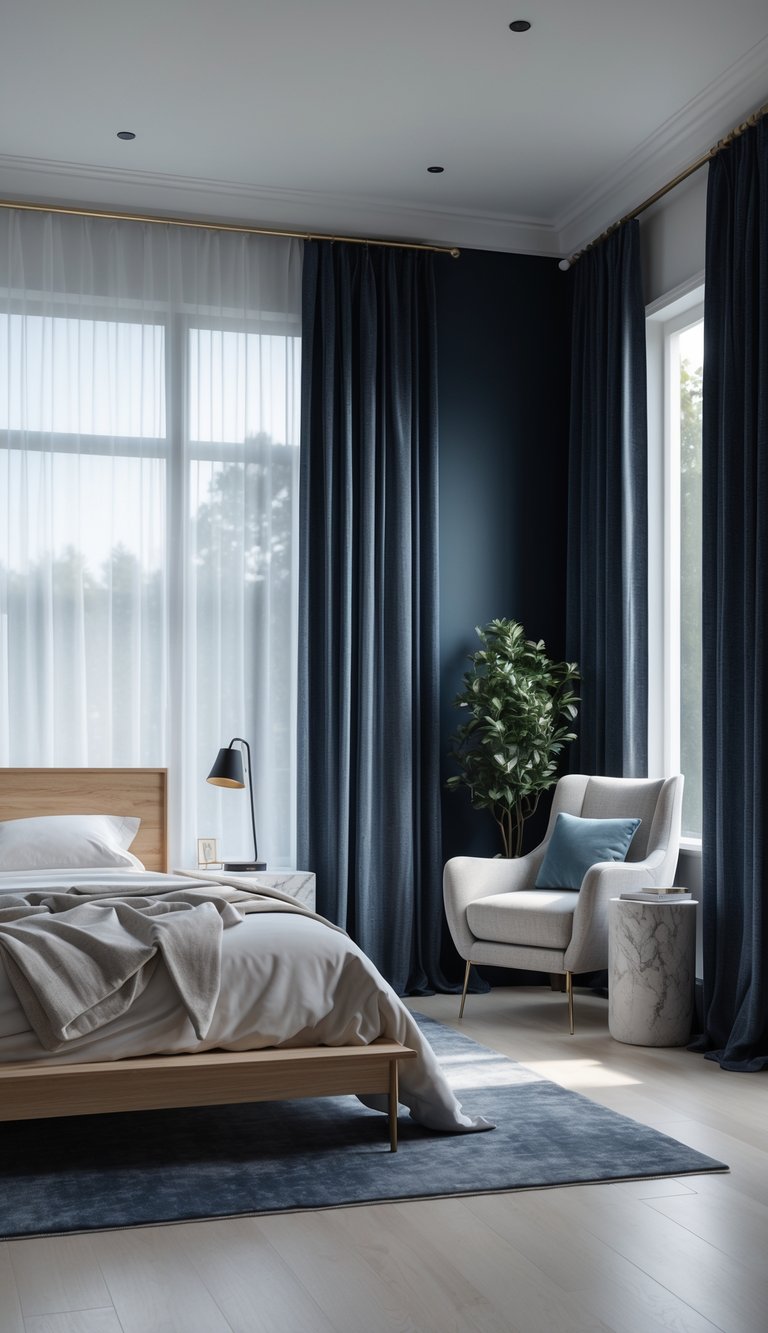
I focus on practical ways to control light so your bedroom helps you fall asleep and wake up at the right times. Small changes—like the right curtains and a few light sources—make nights darker and mornings brighter without changing your decor.
Blackout Curtains and Window Treatments
I choose blackout curtains when I need complete darkness for sleep. Look for tightly woven, multi-layer fabrics or a dedicated blackout lining. Measure window width and length, then buy panels that extend 10–15 cm beyond the frame to stop light leaks at the sides.
Install a ceiling-mounted track or wraparound rod to keep gaps at the edges. If changing curtains is not an option, I use blackout roller shades, adhesive blackout film, or a sleep mask as backups. Blackout treatments also help with temperature control and noise reduction, so check product R-values and thickness if those matter to you.
Smart Lighting Choices for Both Schemes
I built layered lighting so the room works for daytime tasks and night sleep. Start with three layers: ambient (dimmable ceiling or wall light), task (bedside lamp or reading light), and accent (LED strip or small lamp). Use warm bulbs (below 2700K) and avoid bright blue-rich lights after 7–8 pm.
I program lights with dimmers or smart bulbs and set a sunset routine to step down brightness over 30–60 minutes. For mornings, I add a timed bright light or open curtains within an hour of waking to boost alertness. Keep small LED indicators covered or swapped for red/orange options to avoid overnight disruption.
Personal Preferences and Practical Tips
I focus on what matters: how you live, what makes you sleep well, and how your room actually looks and feels. Below are specific, useful steps you can use when choosing colors, furniture, and decor for comfort and function.
Matching Bedroom Style to Your Lifestyle
I pick colors that match how I use the room. If I work from my bedroom or read at night, I choose lighter walls and task lighting to keep the space functional. For a weekend-only bedroom, I might go darker to create a cozy, restful atmosphere.
Think about furniture and decor next. Minimal, easy-to-clean pieces work if you’re busy. If you love collecting art or books, lighter walls help the items stand out. A CIO or homeowner who values neat tech setups should place outlets and cord management where darker paint won’t hide cable clutter.
Blending Light and Dark Elements
I use contrast to get the best of both worlds. Paint walls in a soft neutral, then add a dark accent wall behind the bed or a deep-colored headboard. This keeps the room grounded without feeling small.
Balance textiles and accessories. Light bedding and curtains brighten the room during the day. Dark rugs, throw pillows, or a painted dresser add depth at night. Use a simple list to plan: choose one dark anchor piece, two medium-tone items, and three light accents.
Adapting to Room Size and Natural Light
I match color choices to room size and how much sun the room gets. Small rooms with little natural light need light, warm tones to feel bigger. Big rooms with lots of windows can handle richer, darker hues without feeling cramped.
Place mirrors and reflective surfaces to boost light where needed. If windows face north or get weak sunlight, pick paint with a slight warm tint. For south-facing rooms, cooler tones keep the space from feeling too bright. Adjust lighting—layer ambient, task, and dimmable fixtures—so decor works both day and night.
Frequently Asked Questions
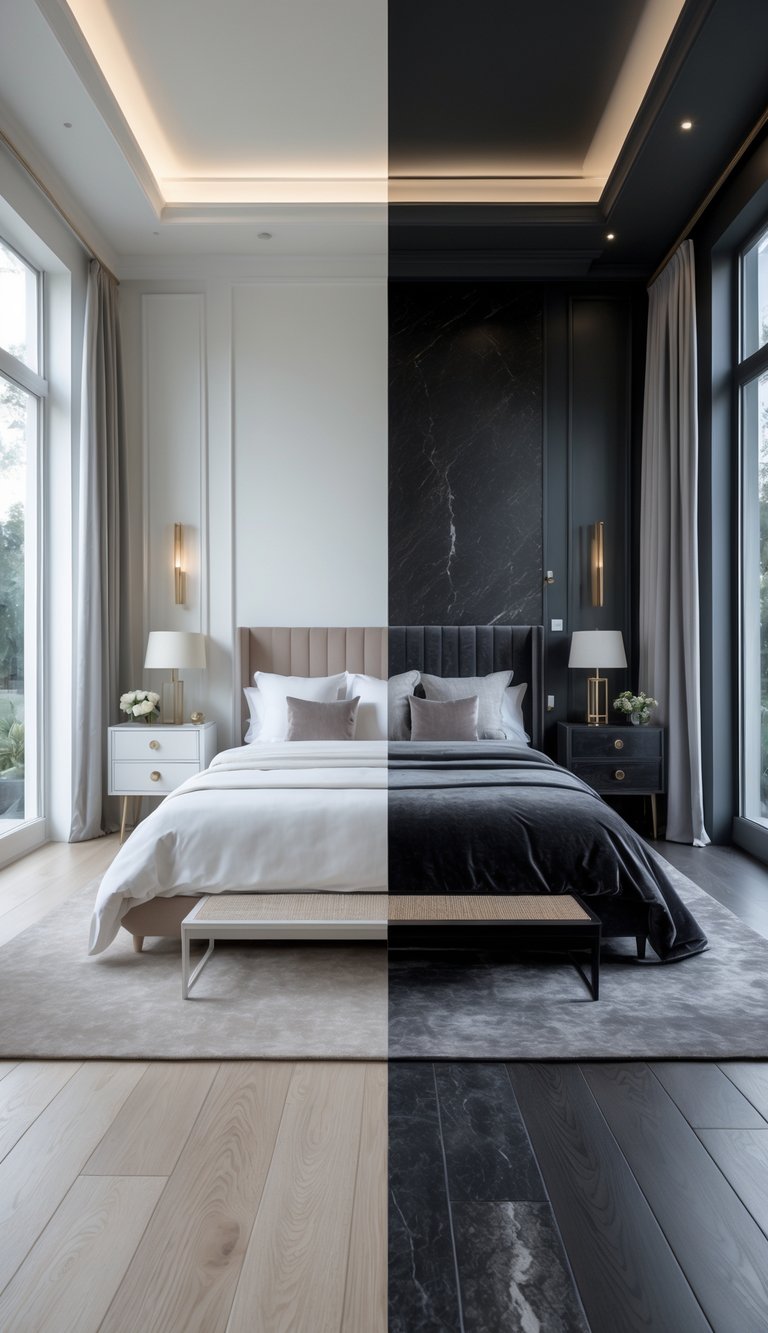
I’ll answer common questions about choosing light or dark bedrooms. I cover practical benefits, sleep effects, and specific color tips you can use today.
What are the benefits of choosing lighter paint shades for a bedroom?
Lighter paint makes small rooms feel bigger by reflecting natural light. It also creates a calm, airy backdrop that pairs easily with different furniture styles.
Light shades are easier to match with bedding and rugs. They hide fewer imperfections on walls, so you may need less prep before painting.
How can dark colors be used effectively in bedroom design?
I use dark colors as an accent to add depth without overwhelming the room. Paint one wall, use a dark headboard, or add curtains to anchor the space.
Balance dark walls with lighter bedding, mirrors, and bright trim. Good lighting—both natural and layered lamps—prevents the room from feeling too closed-in.
What color schemes create a luxurious feel to a bedroom?
Deep jewel tones like navy, emerald, and charcoal paired with warm metallics create a luxe look. I add velvet textiles and soft, layered lighting to boost the richness.
Neutral palettes with high-contrast accents—ivory walls with black trim, for example—also feel refined. Keep clutter low and materials tactile for a hotel-like vibe.
Are there specific hues recommended for amplifying the feeling of space in a bedroom?
Soft neutrals such as pale gray, warm white, and light beige make a room feel larger. Cool pastels like pale blue or mint also open up sightlines and feel restful.
Use consistent trim color and low-contrast floors to keep the eye moving. Large mirrors opposite windows multiply natural light and expand the view.
What are some creative ideas for incorporating dark green into a bedroom’s decor?
Paint one wall dark green behind the bed for a bold focal point. I pair it with rattan furniture, brass lamps, and cream linens to keep the look balanced.
Bring green in with plants, bedding, or an area rug if you prefer a subtler touch. Dark green works well with wood tones and soft, warm lighting.
How does the choice of bedroom color affect sleep quality and mood?
Darker, cooler rooms generally help the body prepare for sleep by reducing visual stimulation. Very bright or blue-lit rooms can suppress melatonin and disrupt sleep timing.
Color also affects mood: warm, muted tones feel cozy and secure, while bright, intense colors can raise alertness. For best sleep, aim for dimmable lights and low-blue light sources in the evening.