Guest Bedroom Design Guide: For Ultimate Comfort
You want guests to feel welcome and relaxed from the moment they step in. I’ll show you the simple, high-impact items and choices that make a guest room feel cared for, beds that sleep well, smart storage, easy lighting, and small extras that save awkward moments. A comfortable bed, clear storage, good lighting, and a few thoughtful conveniences will cover most guest needs and make your space truly hospitable.
I’ll walk you through practical furniture and storage layouts, decor and comfort touches, tech and modern must-haves, and smart solutions for tiny or shared rooms. Expect clear checklists and quick tips so you can set up or refresh a guest room without wasting money or time.
Key Guest Bedroom Essentials
I focus on comfort, practical items, and small touches that make guests feel cared for. The list below covers the bed, bedding, towels and toiletries, and what to keep on the nightstand.
Comfortable Bed and Mattress
I pick a mattress that balances support and softness. A medium-firm mattress works well for most guests. If your budget limits a new mattress, add a high-quality mattress topper (memory foam or a gel option) to improve pressure relief and sleep quality.
Place the bed so guests can access both sides easily. Use a sturdy frame and a simple headboard for extra support. If your guest room may host longer stays, consider a mattress protector to guard against spills and allergens. I also test the bed myself before guests arrive to ensure it feels right.
Bedding, Pillows, and Blankets
I choose soft, breathable sheets in neutral colors, cotton percale or a cotton blend works best. White or light colors look clean and are easy to launder. Include a duvet with a washable cover and a medium-weight comforter so guests can layer.
Offer at least three pillow options: medium loft, firmer foam, and a soft down-alternative. Keep extra pillows and an extra blanket in a closet or the luggage rack so guests can reach them at night. A lightweight throw at the foot of the bed adds warmth and a finished look without crowding the sleeping space.
Towels and Toiletries
I stock fluffy bath towels, hand towels, and at least two washcloths per guest. Choose absorbent, mid-weight towels in white so they can be bleached if needed. Fold them neatly on a shelf or place them in a welcome basket.
Include travel-size toiletries: shampoo, conditioner, body wash, toothpaste, and toothbrushes. Add a small bottle of lotion, deodorant, and basic pain/antacid tablets. Keep items visible but tidy, use a basket or tray so guests know what’s available without searching.
Nightstand Must-Haves
I keep one nightstand per bed with these essentials: a lamp with an easy switch, a small dish for jewelry, and a visible alarm clock or phone charger. Add a printed Wi‑Fi password card and a notepad with a pen for quick notes.
Other helpful items are a water bottle or carafe, a small trash bin, and a universal phone charger or an extra charging cable in a drawer. If space allows, include a compact sound machine or a small fan for temperature comfort.
Furniture and Storage Solutions
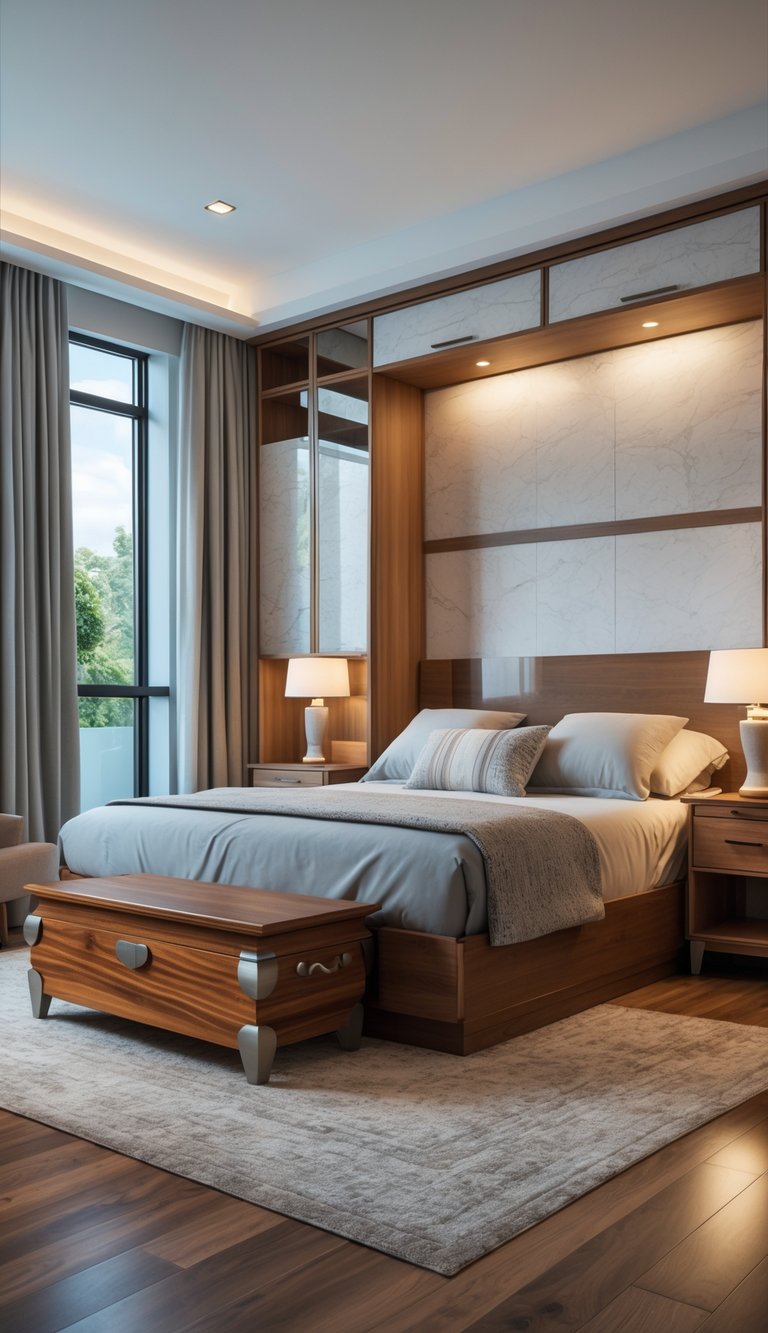
I focus on pieces that give guests choices, keep clutter out of sight, and fit the room’s size. Smart beds, useful bedside surfaces, clear closet space, and easy luggage spots make stays simple and comfortable.
Choosing Versatile Bed Types
I pick a bed based on how often guests stay and how much floor space I need to save. For small rooms I prefer a daybed with a trundle; it looks like seating by day and gives two sleeping spots at night. A trundle rolls out easily and tucks away to free floor space.
When I need near-hidden solutions, a Murphy bed works well. It folds against the wall to create a living area during the day. For larger homes hosting families, bunk beds save space while offering separate sleeping spots.
I always keep an air mattress on hand for overflow nights. It’s portable and stores flat under the bed or in a closet. If storage is tight, I choose models that pack into a soft case I can slide into a closet or under-bed drawer.
Nightstands and Bedside Tables
I use nightstands to offer both surface and hidden storage within arm’s reach. A table with at least one drawer helps guests store phones, glasses, or chargers. Open shelves work too; they let guests see where a book or water bottle goes.
If the room is small, I install a narrow nightstand or a floating shelf. These save floor space while holding a lamp and alarm clock. For dual sleepers, two small bedside tables keep personal items separate.
Choose nightstands with built-in outlets or add a power strip clipped to the back. That small detail stops guests from hunting for plugs. I also tuck a slim tray or small box on the surface for shared items like spare batteries or earplugs.
Closet and Dresser Space
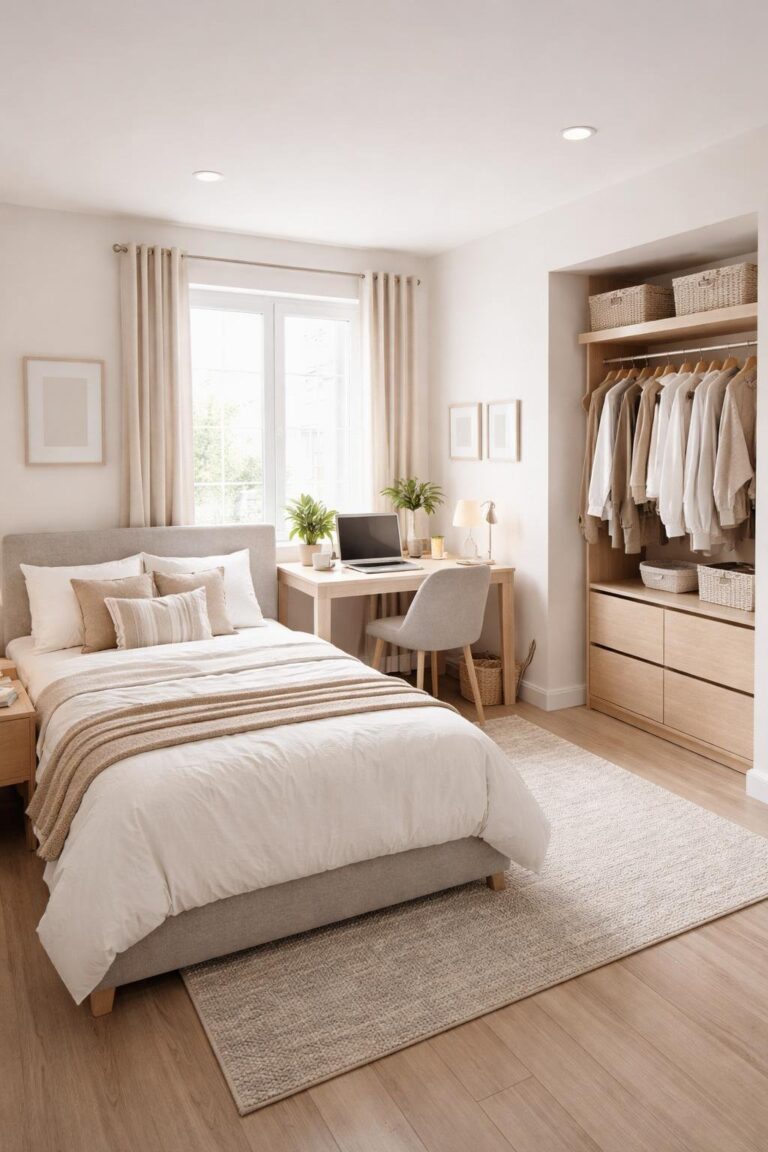
I aim to give each guest clear hanging and folded clothing space. A dresser with three to five drawers covers short stays. I place six to eight wooden hangers in the closet so guests can hang jackets and dresses without wrinkling them.
For limited closets, I add a collapsible clothing rack or an over-the-door organizer. These expand usable space without renovation. I label one shelf or drawer for “extra linens” so guests can find blankets and fresh pillowcases easily.
Hidden storage under the bed works well for seasonal items or spare bedding. I use shallow under-bed bins with wheels for easy access. A laundry hamper in a corner also helps guests keep worn clothes separate and tidy.
Luggage and Clothing Storage
I give guests a defined place for their suitcase. A sturdy luggage rack makes it easy to unpack and keeps bags off the floor. If I don’t have room for a rack, a low bench at the foot of the bed serves the same purpose.
For longer stays, I leave a small set of drawer dividers or a travel-sized valet tray for jewelry and accessories. I also keep a few spare hangers and a foldable garment bag in a top closet shelf.
If space allows, I add a slim wardrobe or armoire with a lower shelf for shoes. When I can’t fit a wardrobe, a removable hook rail behind the door gives quick hanging for coats and bags.
Design, Decor, and Comfort Touches
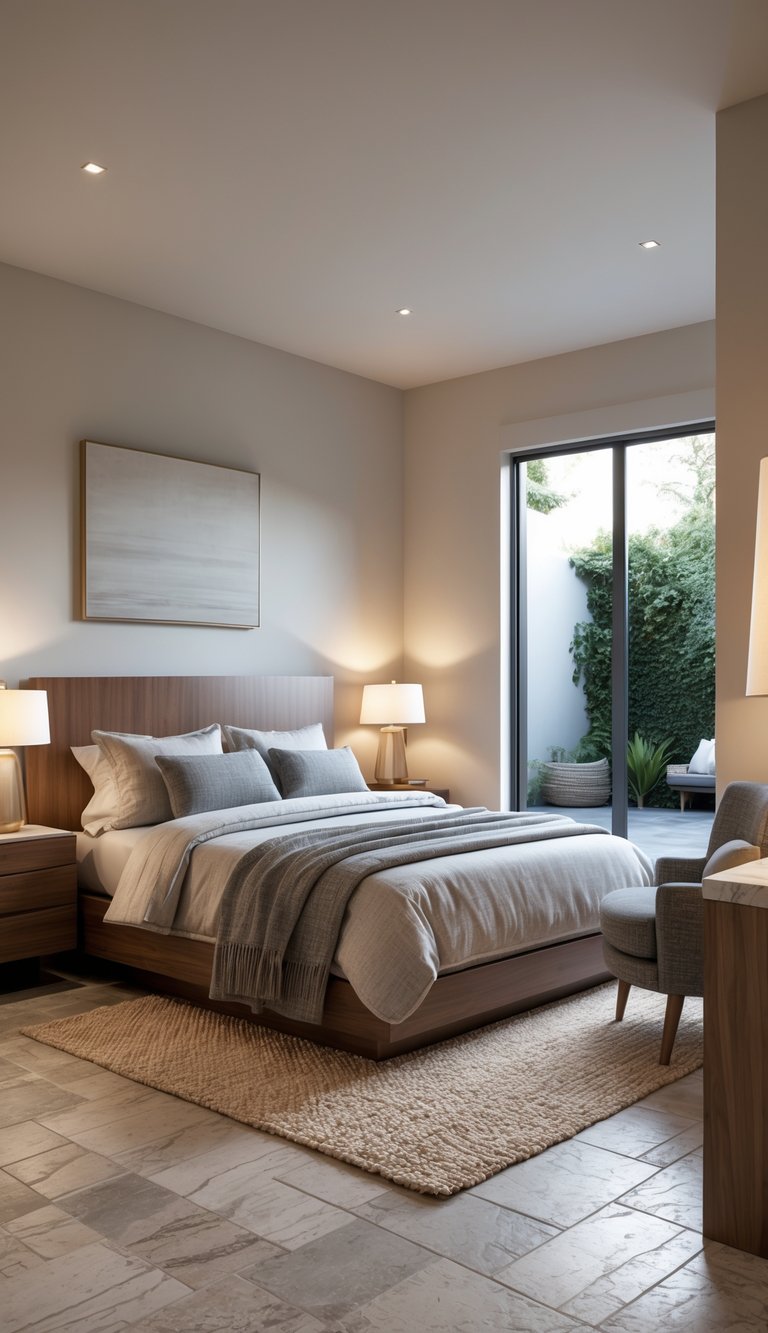
I focus on calm, useful choices that make guests feel cared for. Small, practical details, like layered lighting, a soft rug, and easy storage, create a room that looks finished and feels welcoming.
Color Schemes and Textiles
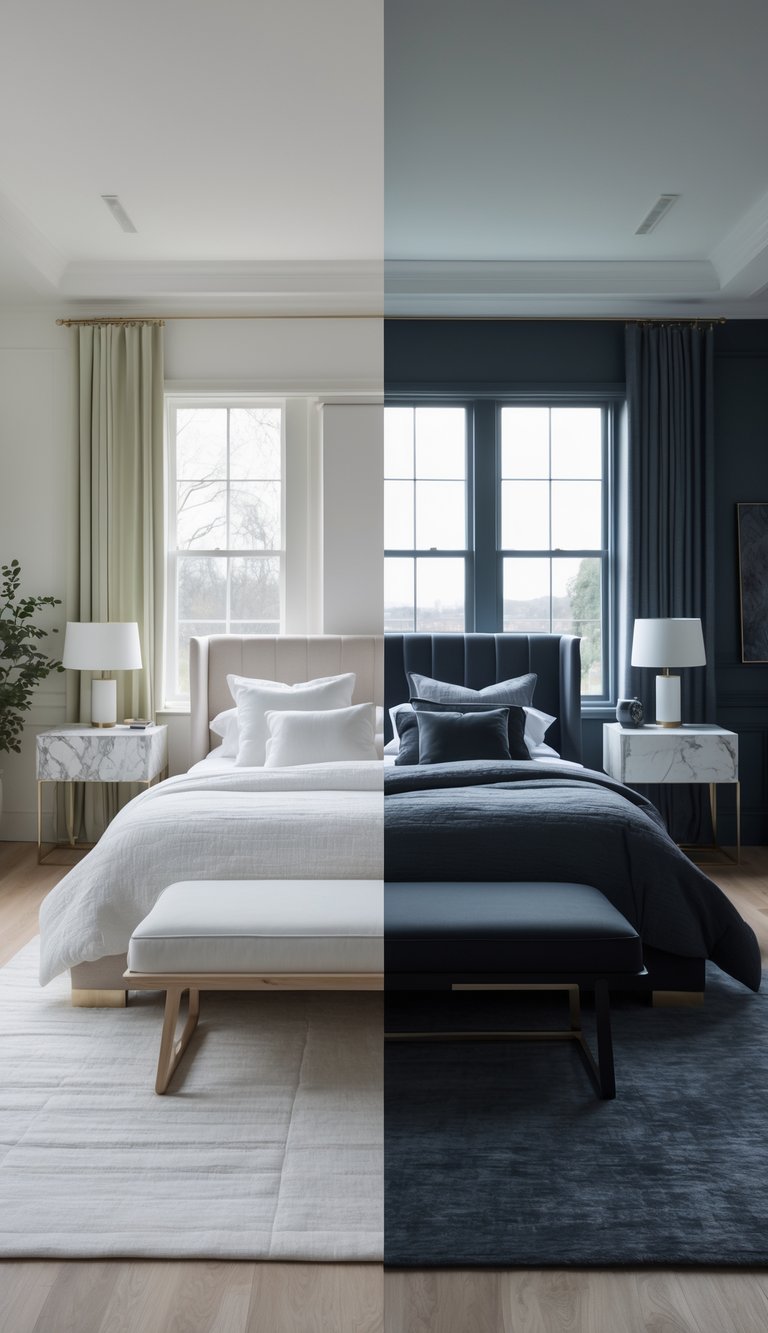
I pick a quiet base color, soft gray, warm beige, or muted sage, to keep the room restful. For bedding I use a cotton sheet set, a midweight duvet, and a washable coverlet. Add two sets of pillows: one firm for support and one softer for lounging.
Layer textiles for warmth and texture. Place a cozy rug at the bed’s side to protect bare feet. Use blackout curtains or lined shades for better sleep. Keep an extra throw in a drawer and a small basket with an extra pillowcase and light blanket on a bench.
Decorative Accents
I choose a few personal, practical accents that add charm without clutter. A bedside lamp with a soft bulb, a small alarm clock or charging station, and a luggage rack are essentials. Add a simple framed print or one larger piece of art to anchor the wall.
Fresh flowers or a small plant on the nightstand give a clean scent and a homey touch. Provide a tray with bottled water, a notecard with Wi‑Fi details, and a small bowl for keys. Keep surfaces clear; empty drawers or a small wardrobe let guests unpack easily.
Biophilic and Modern Design Touches
I bring nature inside with easy-care plants like pothos or a snake plant. Natural materials, wood nightstands, linen cushions, and a woven basket, add warmth and tie into biophilic design without much upkeep. Position the bed to face a window when possible for natural light.
For a modern guest bedroom, include simple, functional tech: USB outlets, a reading sconce, and neutral hardware. Keep patterns minimal and choose clean lines for furniture. These choices make the room feel both current and calm, and they support comfort for short stays or longer visits.
Lighting and Room Ambiance
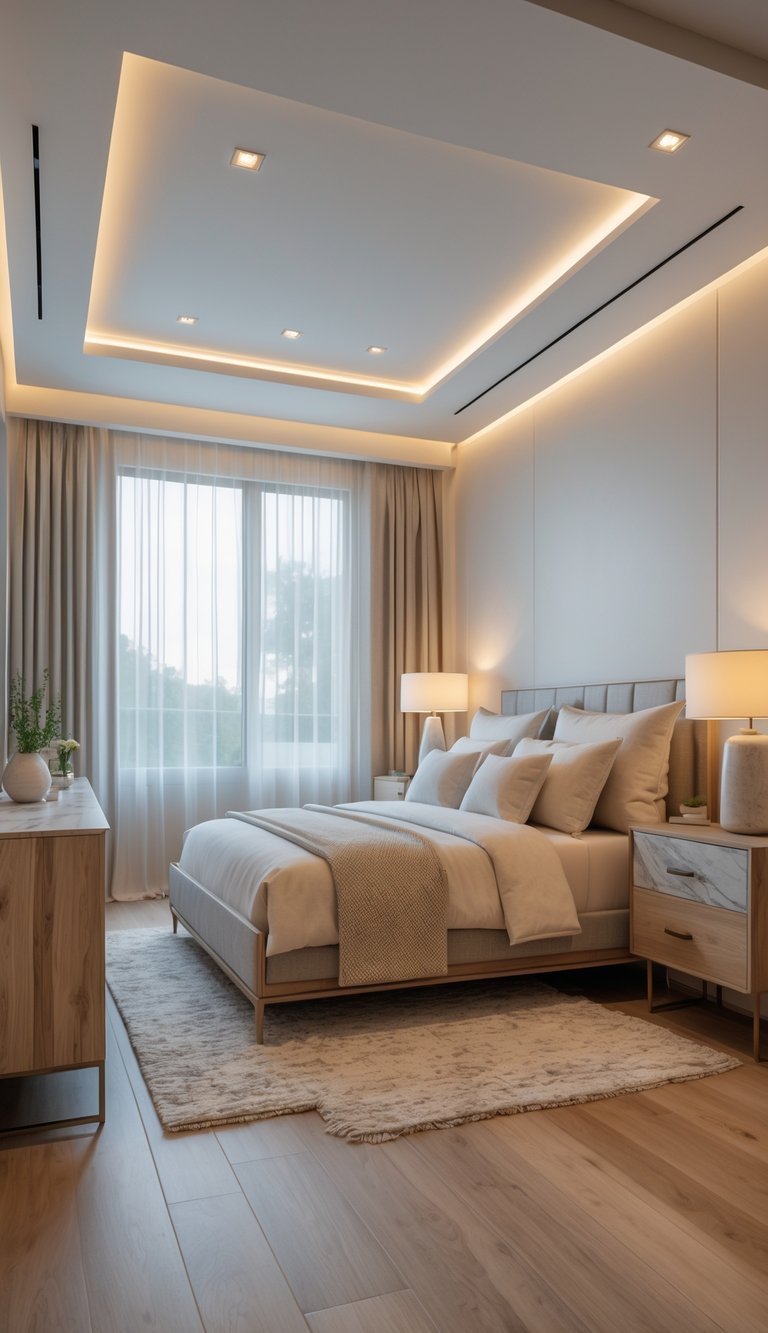
I focus on easy-to-use, flexible lighting and simple comfort touches that help guests sleep, read, and feel welcome. Good choices include layered light sources, room-darkening window treatments, and small comfort extras like a nightlight or air freshener.
Layered and Adjustable Lighting
I always start with three light layers: ambient, task, and accent. For ambient light, a ceiling fixture or ceiling fan with integrated light gives even room light. Choose a soft white LED (2700–3000K) so the space feels warm.
Task lighting means bedside lamps on both sides of the bed. I pick lamps with switches near the headboard or plug-in wall sconces for easy reach. Aim for 400–800 lumens at the bedside for reading without glare.
Add accent lights like a small floor lamp in a reading corner or LED strip behind a headboard. Dimmers are key: install a dimmer on the overhead light and use bedside lamps with dimmers or bulbs that dim. Smart bulbs work too, letting guests set brightness and color temperature.
Blackout Curtains and Window Treatments
I fit room-darkening curtains that block at least 90% of daylight for sound sleep. Choose curtains with a weighted hem and blackout lining to prevent light leaks at the sides and bottom.
Layer curtains with a light-filtering sheer for daytime privacy. Use curtain rods that extend wider than the window so curtains clear the glass fully when open. For extra control, add a roller shade or opaque cellular shade beneath the curtain for insulation and noise reduction.
If streetlight or early sun is a problem, add a small nightlight at the door rather than letting hallway light spill in. A ceiling fan with a quiet motor can also help circulate air without opening a window.
Comfort Features for Ambiance
I include a few small items that make a big difference: a nightlight with warm light, a bedside lamp on each side, and a neutral-scent air freshener placed away from the bed. Pick a mild scent like linen or citrus to avoid strong reactions.
Provide a simple control sheet that tells guests how to use the lights, fan, and any smart features. Keep a small tray or basket with replacement bulbs and a remote for the fan or smart bulbs in the nightstand drawer. These touches make the room feel cared for and easy to use.
Tech & Modern Guest Needs
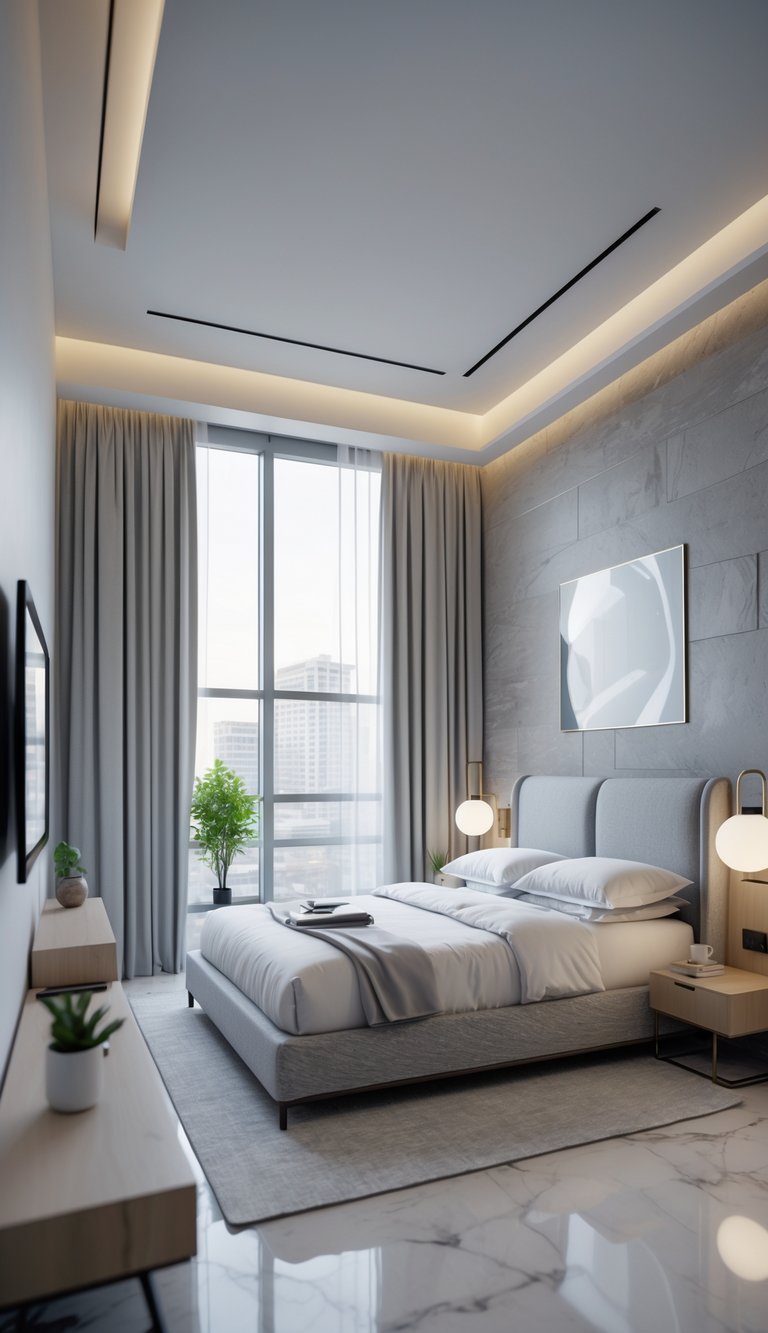
I focus on practical tech and comfort items that make a short stay feel effortless. Think power where it’s needed, easy entertainment, and small personal comforts that show you planned ahead.
Charging and Power Solutions
I place a multi-port charging station on the nightstand so guests can plug phones, tablets, and a laptop without hunting for adapters. Choose a unit with at least two USB-A, two USB-C ports, and a grounded AC outlet for chargers, lamps, or a travel steamer.
Keep a short surge protector tucked in a drawer with labeled cables: USB-C to USB-C, Lightning, and micro-USB. I add a wireless charging pad for phones and a spare portable power bank for day trips.
If the room is older, I install one recessed outlet by the bed and one near a seating area. I also leave a small card on the nightstand listing Wi‑Fi network and password to avoid repeated questions.
Entertainment and Reading Material
I stock the room with a small selection of books and magazines to match your home’s style, one local guidebook, a current magazine, and a light novel. Place them on the nightstand or a low shelf within arm’s reach so guests don’t have to get up at night.
Add a simple Bluetooth speaker and clear instructions for pairing. If you include a TV, tuck streaming login options or a cast device in a drawer. A small reading lamp with warm light and a switch at eye level makes late night reading easy.
Offer a folding tray with a notecard suggesting “quiet hour” rules and the closest coffee shop. This feels thoughtful and helps guests plan downtime.
Personal Comfort Items
I create a welcome basket on a chair or luggage rack with comfy slippers, a small toiletry kit, and a travel-size steamer for wrinkle fixes. Include a lightweight throw blanket and an extra pillow in an easy-access closet.
Nightstand essentials should also include a full-length mirror on the back of the door or wall, tissues, a small wastebasket, and a bedside water carafe with a glass. If space allows, add a single-seat seating area with a cushion for dressing or unpacking.
For snacks, I keep a small snack station in a drawer: wrapped granola bars, bottled water, and tea bags. These little items help guests feel settled right away.
Special Ideas for Small or Multi-Purpose Spaces
I focus on pieces that pull double duty and storage that stays out of sight. Both choices help a small guest room feel calm and useful without clutter.
Space-Saving Furniture Choices
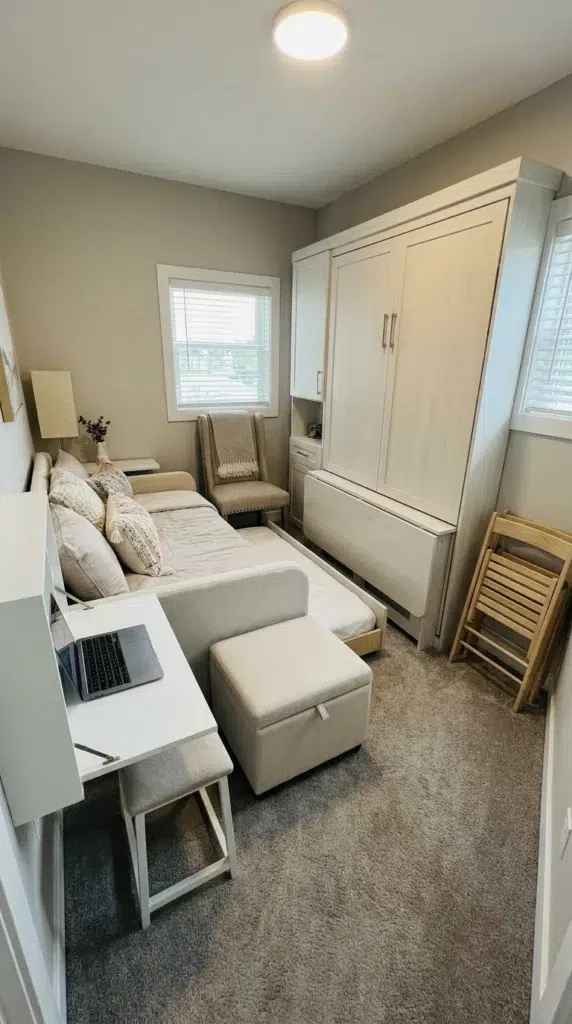
I pick furniture that serves two roles. A sofa bed or a daybed with a trundle gives seating by day and a real mattress by night. A Murphy bed with an integrated desk turns a home office into a guest room in seconds.
Look for items with built-in storage: beds with drawers, ottomans with removable tops, and benches that hide blankets. Choose slim profiles, narrow armchairs, wall-mounted nightstands, and folding dining tables to keep walkways clear.
If you need a work area, I use a wall-mounted desk or a drop-leaf table. Keep seating lightweight and stackable so you can move it when guests arrive. Pick finishes that match the room so each piece blends instead of crowding the space.
Smart Storage for Small Rooms
I rely on hidden storage to keep small guest bedrooms tidy. Under-bed storage boxes or vacuum bags fit under low platforms and hold extra bedding or luggage. Use clear bins or label them so guests or you can find things fast.
Install floating shelves and narrow built-ins to use vertical space without taking floor area. A bookshelf that doubles as a room divider creates zones and adds storage for books, baskets, and extras. Hooks and wall-mounted racks keep bags and coats off the floor.
Keep a small basket or drawer for guest essentials, chargers, eye masks, and toiletries. I recommend one visible shelf for a few decor items and a couple of closed storage pieces to hide clutter.
Frequently Asked Questions
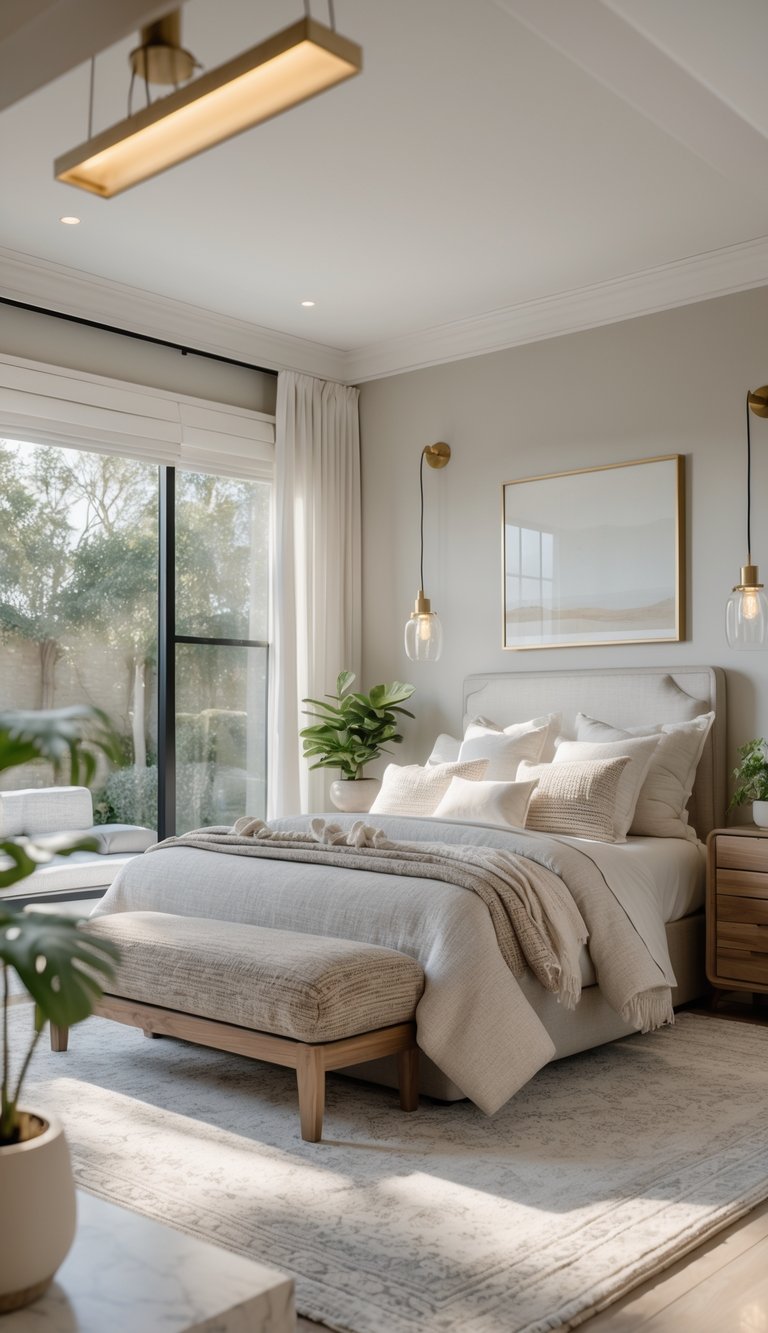
I focus on clear comfort, practical storage, and small thoughtful touches that make stays easier. Below are direct answers you can use when planning or refreshing a guest room.
How can I make my guest room feel inviting and comfortable?
I start with a breathable sheet set and a medium-weight duvet so most people sleep well. I add two pillow types, one soft, one firmer, so guests can pick what works for them.
I keep the room cool and dark for better rest. I add a bedside lamp with a reachable switch and blackout curtains or a sleep mask for light-sensitive sleepers.
What items should be included in a well-appointed guest room?
I include: fresh sheets, two pillow options, a duvet or comforter, a bedside lamp, and a small nightlight. I also add a luggage rack or bench, five open hangers, and two sturdy wall hooks.
For conveniences, I place a universal charger, a printed Wi-Fi card, a water carafe with glasses, and a small trash bin. I keep a toiletry basket and two bath towels visible and ready.
What are creative ideas for decorating a guest bedroom?
I choose a neutral base for sheets and walls, then add texture with a throw blanket and one or two accent pillows. I use a small gallery of framed photos or simple prints to make the room feel homey without clutter.
I pick multi-use furniture like a bench that doubles as luggage storage or a slim rolling cart that serves as a nightstand. I add a small plant or low-maintenance faux greenery for a fresh look.
Which toiletries are essential to provide for guest room comfort?
I stock a small toiletry basket with travel-size toothpaste, a toothbrush, travel shampoo and conditioner, body wash, lotion, and makeup wipes. I include cotton swabs and a spare razor for convenience.
I place a clean hand towel and two bath towels where guests can see them. I keep extras in a drawer or under-bed bin so I can replace items quickly between stays.
What should go into a welcome basket for my guest room?
I include a printed Wi-Fi card, a universal charging cable, bottled water or a water carafe, and a small snack like granola bars. I add a brief note with emergency contact numbers and check-out instructions.
I sometimes add a list of nearby coffee shops or grocery stores and a simple map if guests will be driving. Keep the basket small and easy to carry.
How can I organize the nightstand in my guest room for my visitors?
I place a bedside lamp with an easy-to-reach switch and a small nightlight within view of the floor. I keep one universal charger, a printed Wi-Fi card, and a water glass on a coaster.
I add a small tray or dish for keys and jewelry and leave a notepad and pen for quick notes. I avoid clutter by limiting items to basics guests will likely use.